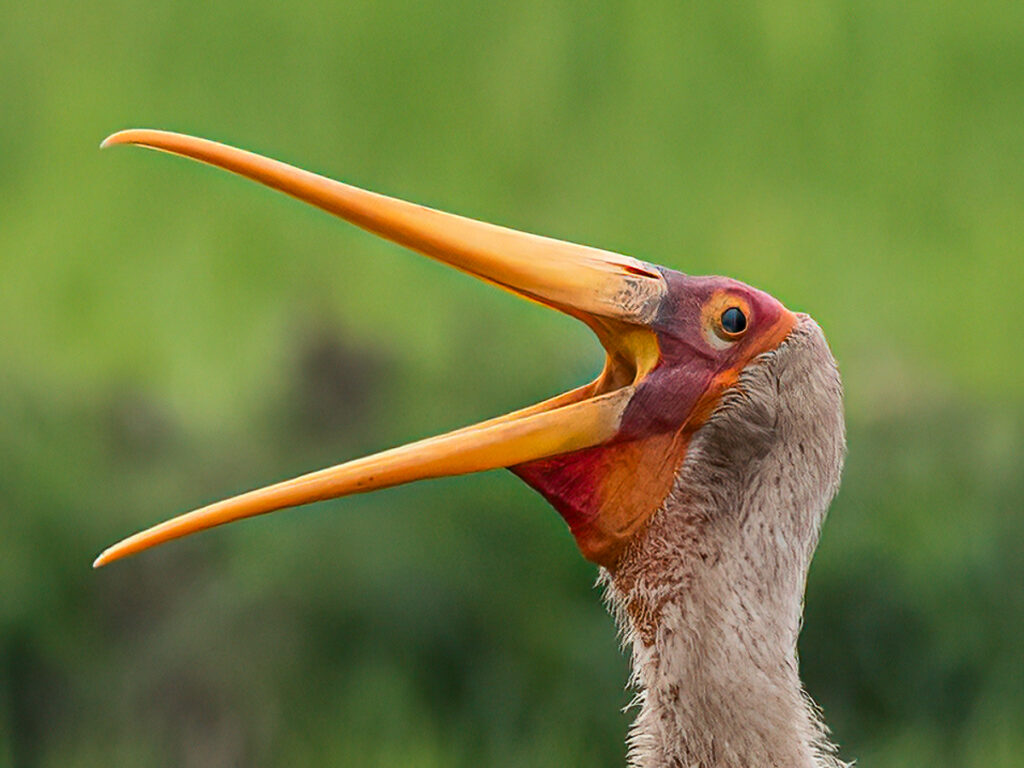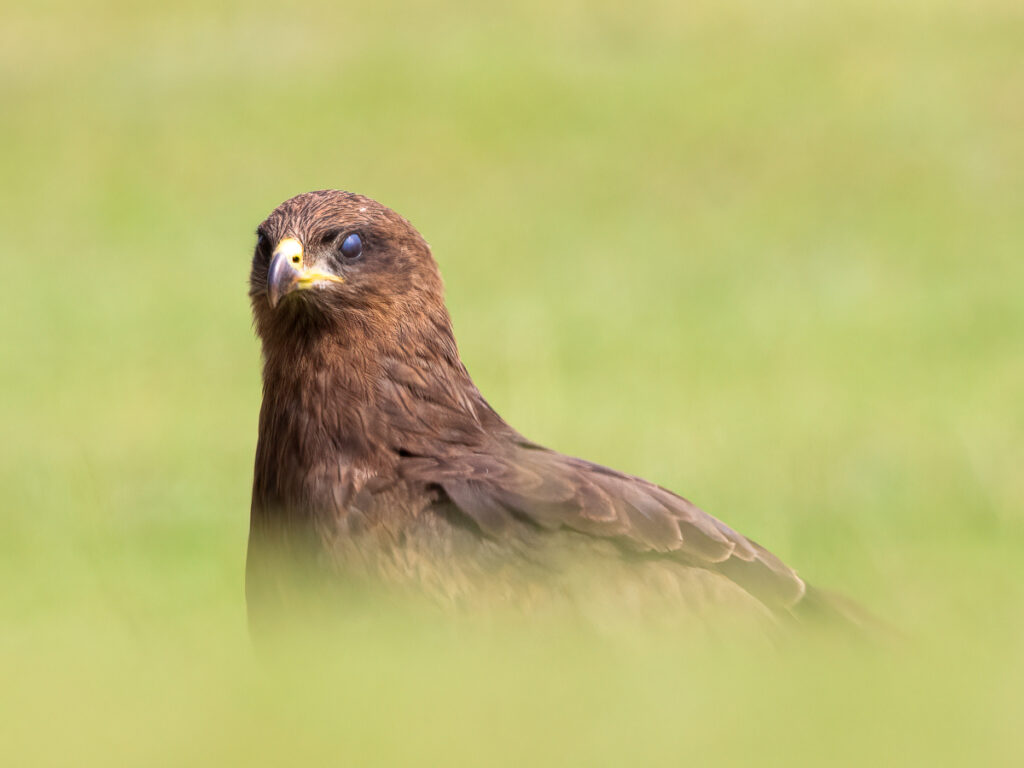
Imagine diving under water at high speed or wrestling with struggling prey while still needing perfect vision. For many animals, this is routine. Their secret is an anatomical feature called the nictitating membrane. The name comes from the Latin word nictare, meaning to blink. It is also commonly referred to as a third eye lid. This translucent or transparent layer moves sideways across the eye and allows animals to protect their eyes without sacrificing sight. Transparency of the membrane varies widely between species.
From crocodiles attacking through murky water to birds of prey striking with precision in flight, the nictitating membrane is a powerful example of how evolution refines survival tools. Evolution has reduced ours to a pink fold in the inner corner our eyes that assists with tear drainage but no longer moves. Across much of the animal kingdom it remains an essential adaptation that enables species to hunt, navigate, and survive in demanding environments.
What is the nictitating membrane?
The nictitating membrane is a thin, movable layer of tissue containing blood vessels, nerves and connecting tissue that sits beneath or alongside an animal’s primary eyelids. Unlike the upper and lower eyelids, which typically move vertically, this membrane usually slides horizontally or diagonally across the eye’s surface.
In many species, the membrane is translucent, allowing animals to maintain partial or nearly full visibility while the eye remains protected. The membrane may also contain glands that help produce tears or distribute moisture across the eye. In some animals it includes immune components that help defend against infection or debris. Although the structure varies between species, its core function remains consistent: shielding the eye from harm while preserving visual awareness.
How does the membrane works?
Animals deploy the nictitating membrane when there is an increased risk to their eyes. When activated, the membrane sweeps across the eye, protecting the surface from external threats. For aquatic species, the barrier protects against water impact and floating debris, while still allowing the animal to navigate and hunt. For diving birds such as cormorants, darters and kingfishers, it shields the eye from the impact of hitting the water. In fast moving aerial hunters like falcons, swifts, and bee-eaters, the membrane shields the eyes from wind and airborne particles during high-speed flight. Terrestrial animals may rely on it when moving through dense vegetation or when grappling with prey that might scratch or injure the eye.
Which animals have them?
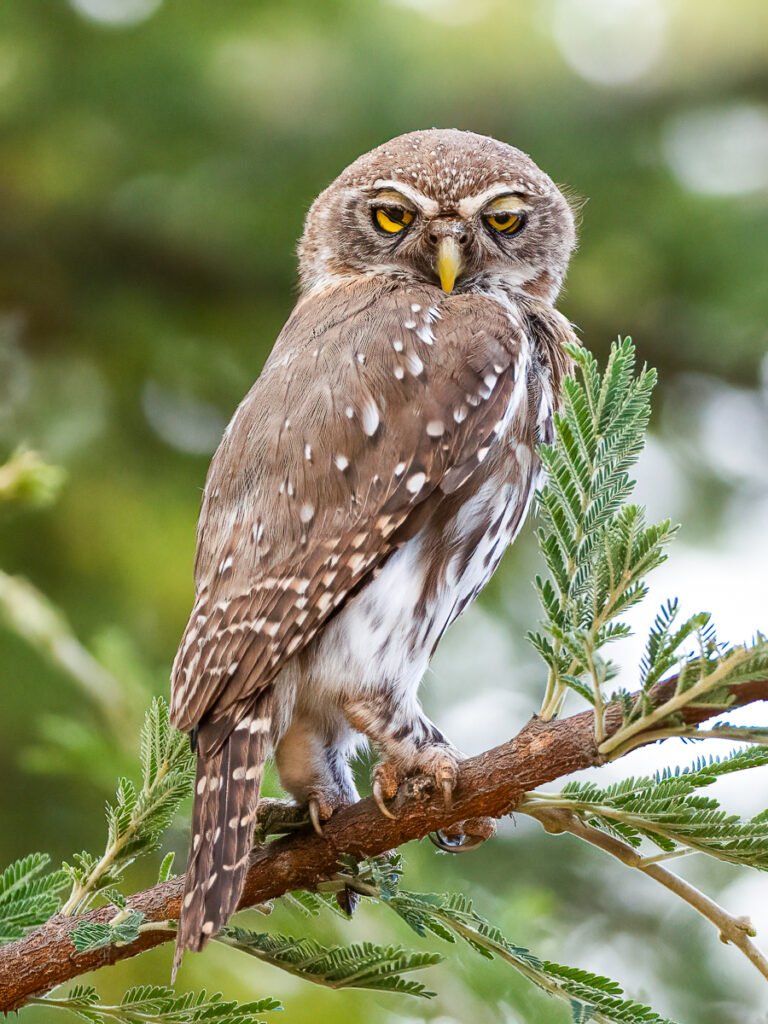
All birds have them, and most species possess well-developed nictitating membranes. Raptors such as hawks and eagles use them to shield their eyes while striking prey. Owls rely on them to protect against defensive bites or scratches from rodents or other animals.
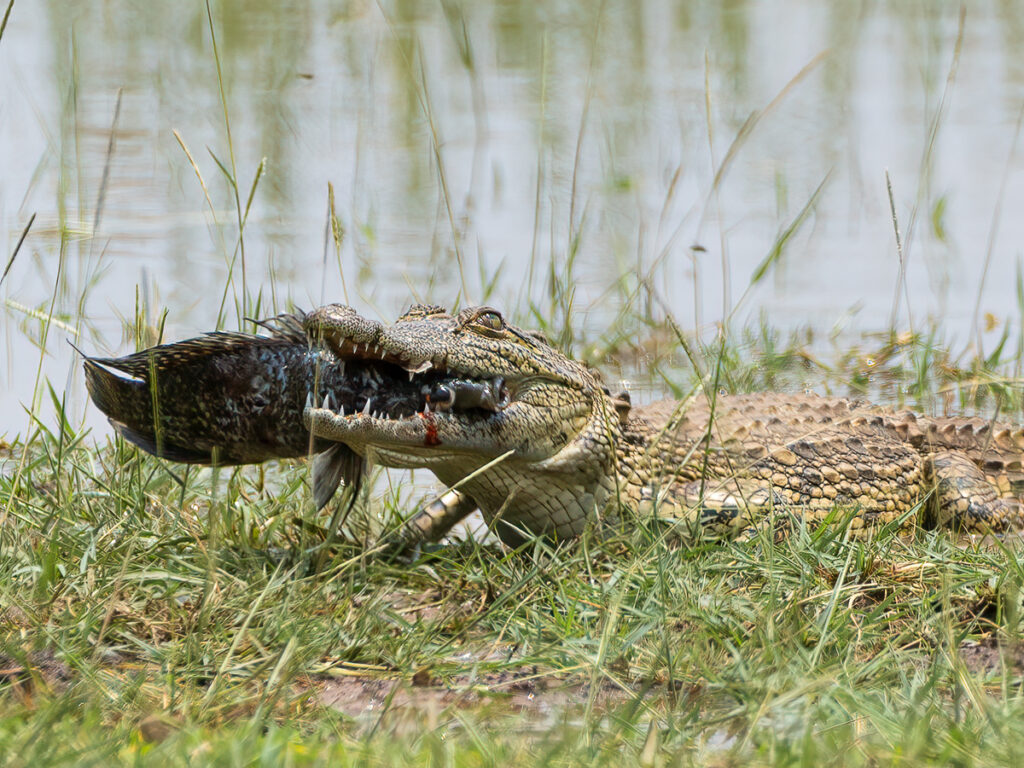
Among reptiles, crocodilians are well known for their use of nictitating membranes. When lunging at prey under water, crocodiles draw the membrane across their eyes, protecting them while maintaining visibility in murky conditions. Crocodiles, like frogs and other amphibians, use the membrane while feeding and swimming, allowing them to see clearly while submerged.
Some shark species, hammerheads or tiger sharks possess a specialised nictitating membrane that snaps across the eye during feeding strikes, protecting the eye from struggling prey. The membrane acts as a crucial safeguard during violent, high-speed predatory encounters.
Many mammals also retain a functional membrane. Domestic cats and dogs have one, though it is usually visible when the animal is tired or ill. Camels rely on them to protect against blowing sand in desert environments. Polar bears also use it as partial protection when swimming through icy waters.
Evolutionary advantage
Widespread across unrelated animal groups, the nictitating membrane demonstrates a phenomenon known as convergent evolution. Different species developed similar solutions to common environmental challenges, highlighting the membrane’s effectiveness as a survival adaptation.
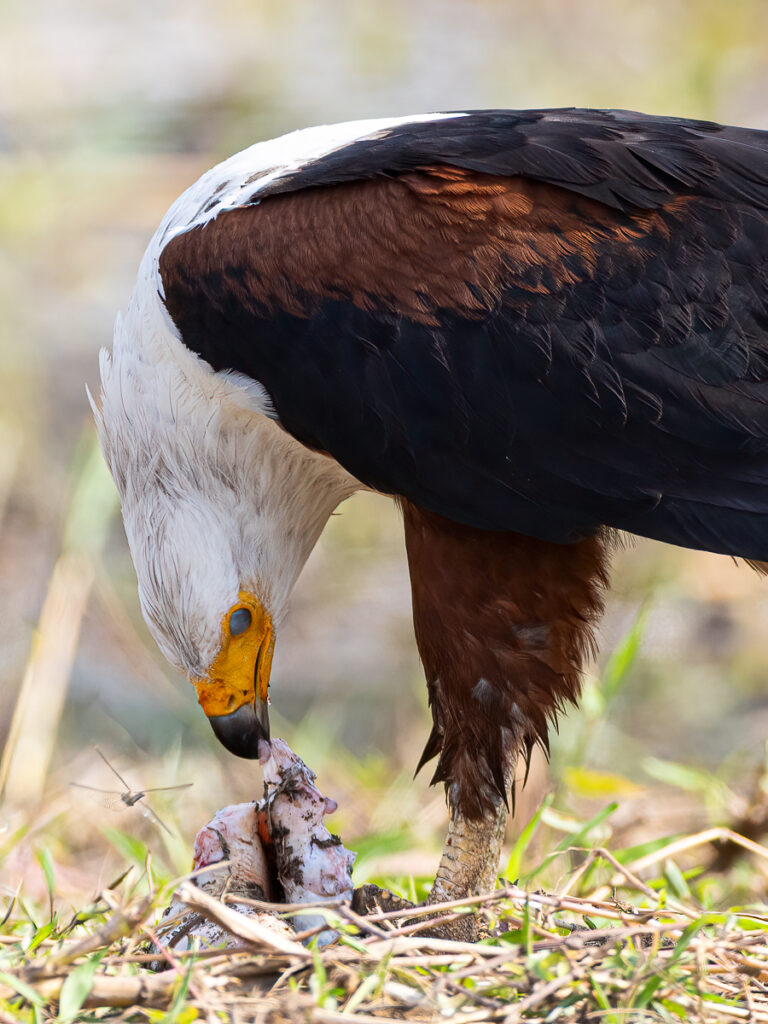
By reducing eye injury, animals improve their chances of a successful hunt therefore long-term survival. Even minor eye damage can significantly impair an animal’s ability to locate food or detect threats. The membrane allows animals to engage in high-risk activities while minimising potential harm.
In many cases, the membrane also supports environmental specialisation. Species living in dusty deserts, dense forests, or aquatic ecosystems benefit from additional eye protection that enables them to function efficiently within their habitats.
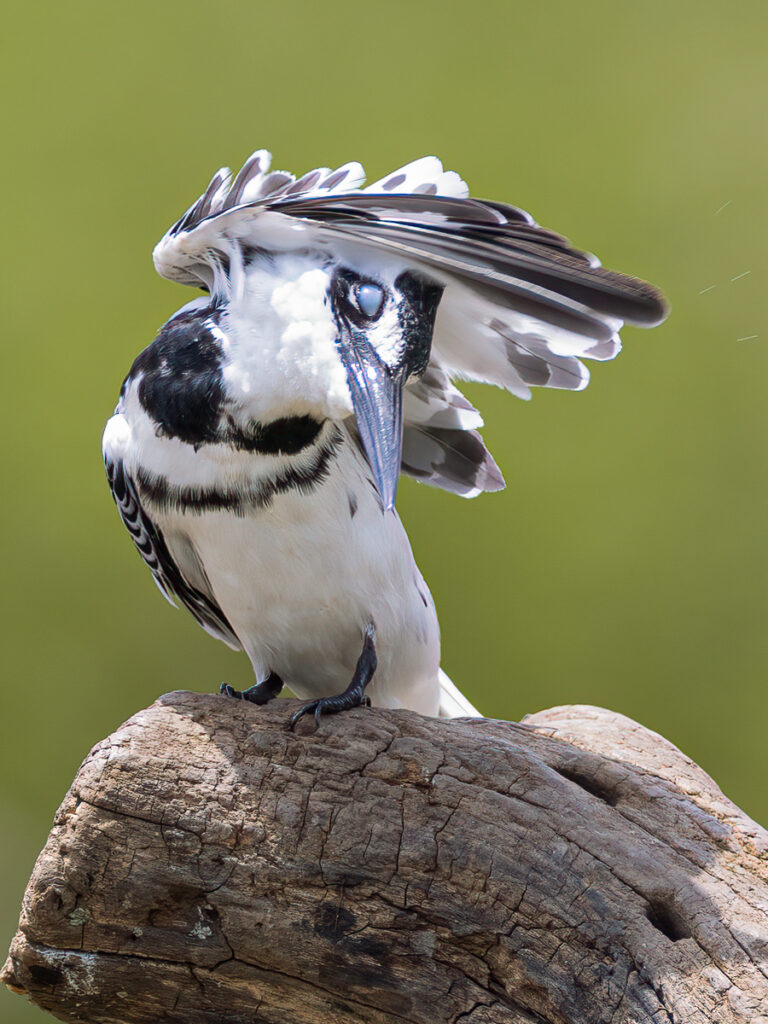
Why humans don’t have it
We humans only possess the remnant of the nictitating membrane known as the plica semilunaris, a small visible fold of tissue in the corner of the eye. While helping with tear drainage, it no longer functions as a protective eyelid.
The loss of a functional membrane probably reflects the evolutionary shift toward different survival strategies. As early humans relied more on upright posture, tool use and environmental modification rather than fast predation or underwater hunting, the selective pressure to maintain a full nictitating membrane diminished.
Closing reflections
The nictitating membrane is easy to miss, yet it represents one of nature’s most elegant protective tools. By allowing animals to see clearly while shielding one of the most important and vulnerable organs, it demonstrates the efficiency of evolutionary design.
Recognising such adaptations encourages closer observation of wildlife and reveals the complex biological strategies that allow animals to survive in demanding environments. Even a simple blink can reflect millions of years of evolutionary refinement – a reminder that survival in the natural world often depends on the smallest, most overlooked details.