
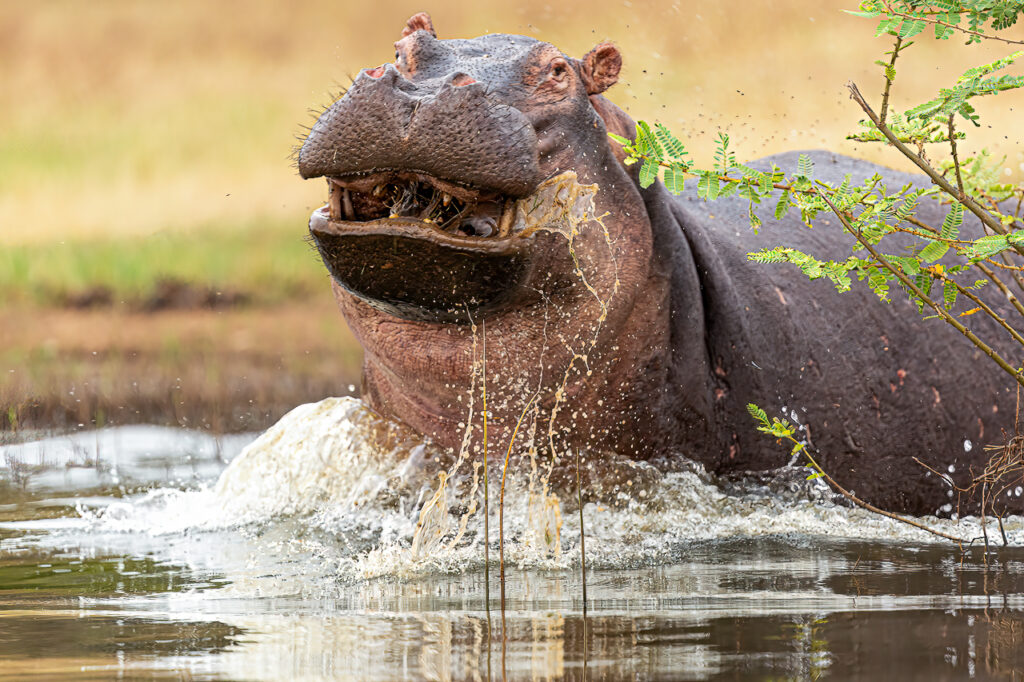
As a conservation and wildlife photographer who has been based on the African continent for the best part of the last decade, and who currently lives in Tanzania, I am often asked how best to photograph wildlife on safari. This article brings some of those thoughts together.
Photographing wildlife on safari is a combination of preparation, patience, technical skill and, above all, an understanding that wildlife photography happens on the animal’s terms. You can have the best camera and lens available, but if you are in the wrong place, at the wrong time, or don’t understand what the animal is doing, your equipment will not create a great photograph.
The following principles will help you make the most of your time in the field.
Do Your Research
Before you travel, research the environment you are going to photograph. Understand the habitat, terrain, seasons and weather, and learn which species are likely to be encountered. If you understand the behaviour and ecology of your target species, you are far more likely to recognise an opportunity when it develops.
Research where animals are commonly found, but don’t expect a checklist to become a guarantee. Water availability, prey movements, rainfall, temperature and human activity will all influence where wildlife is found.
Research is particularly valuable when visiting a new ecosystem. A riverine environment, open savannah, woodland or coastal habitat will each present very different photographic opportunities.
What Makes a Good Wildlife Photograph?
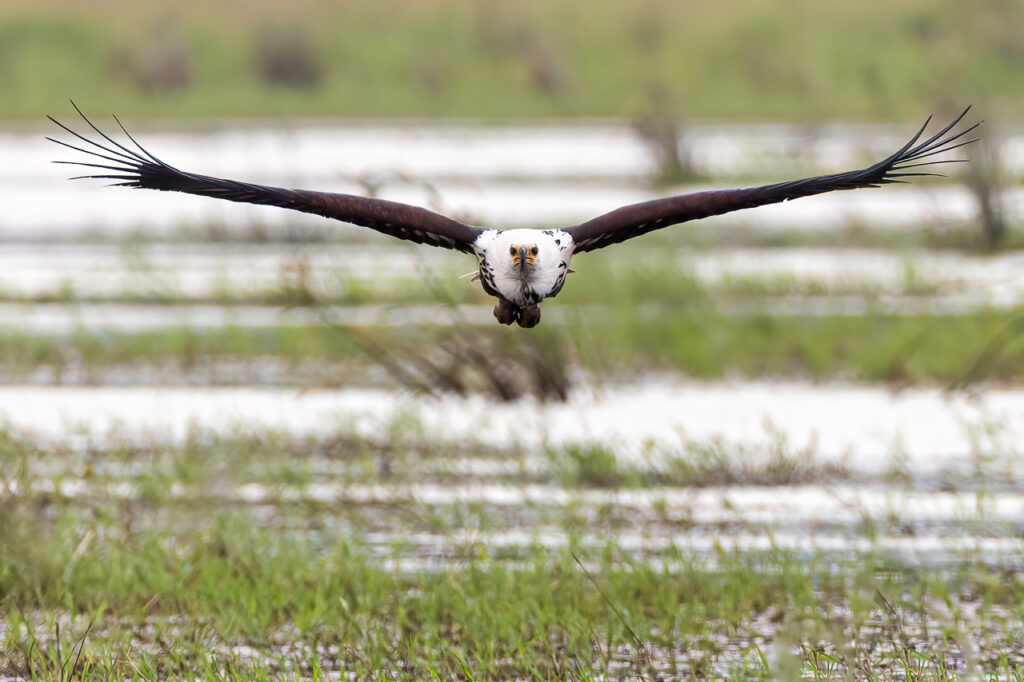
For me, three things form the foundation of a strong wildlife image: light, subject and background.
Light
First, consider the direction of the light and how it is falling on your subject. Early morning and late afternoon generally offer softer, warmer light and more attractive shadows than the harsh midday sun.
But don’t dismiss difficult light completely. Dramatic clouds, backlighting, silhouettes or a shaft of sunlight can produce exceptional images. Good light can transform an ordinary encounter.
Subject
The subject needs to be doing something.
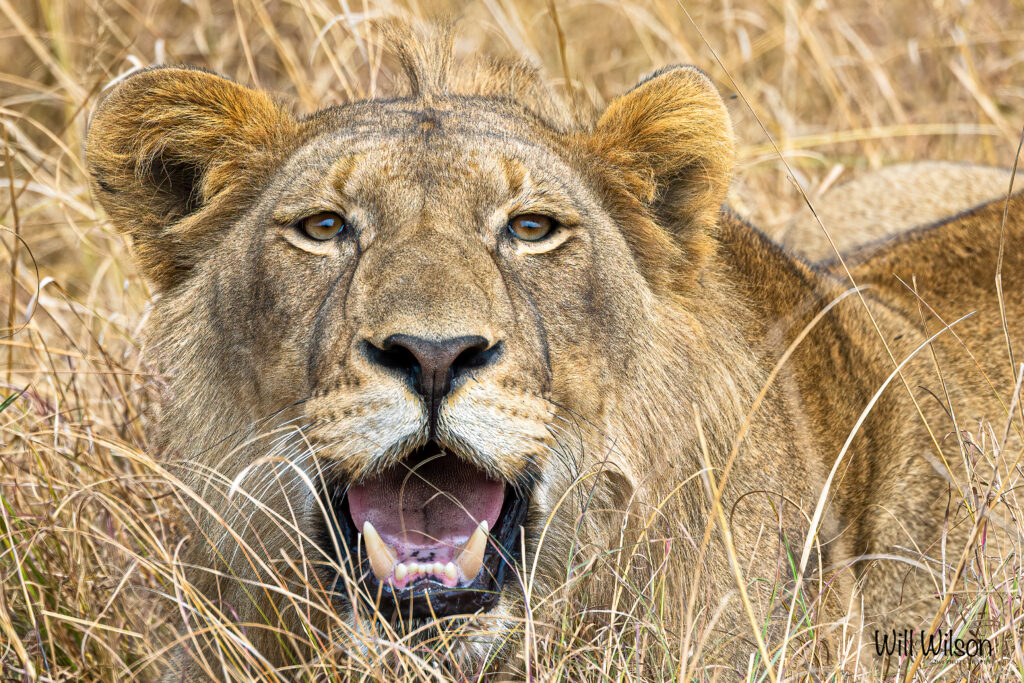
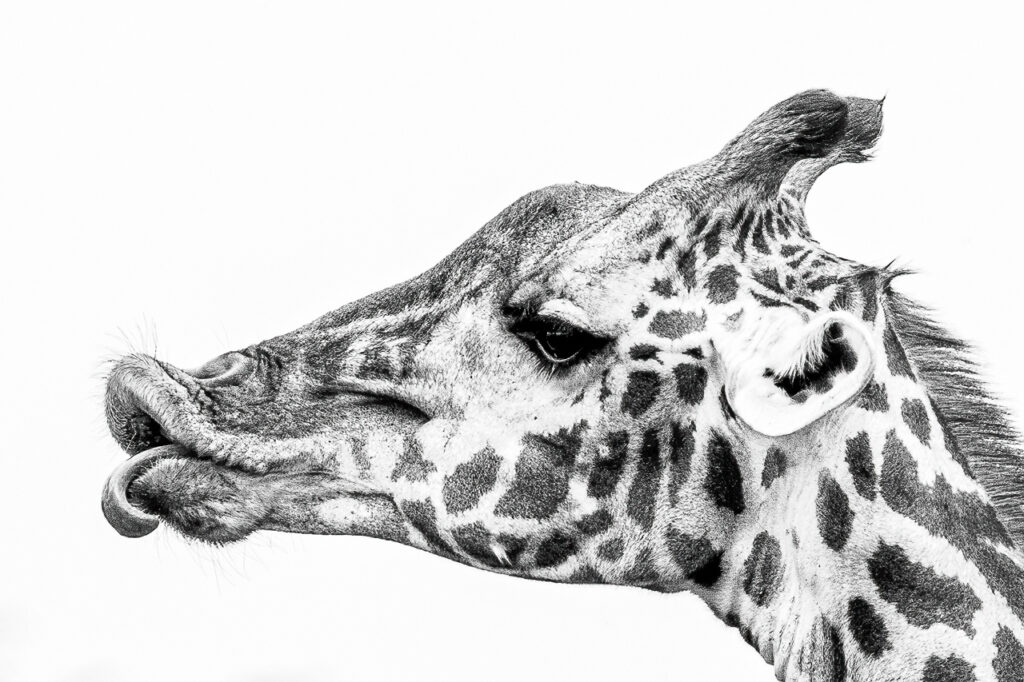
A technically perfect photograph of an animal simply standing in profile, without looking towards you, may have limited impact. Watch for behaviour, interaction, movement and gestures. A raised paw, open mouth, wing position, change in posture or interaction between individuals can turn a record shot into something special.
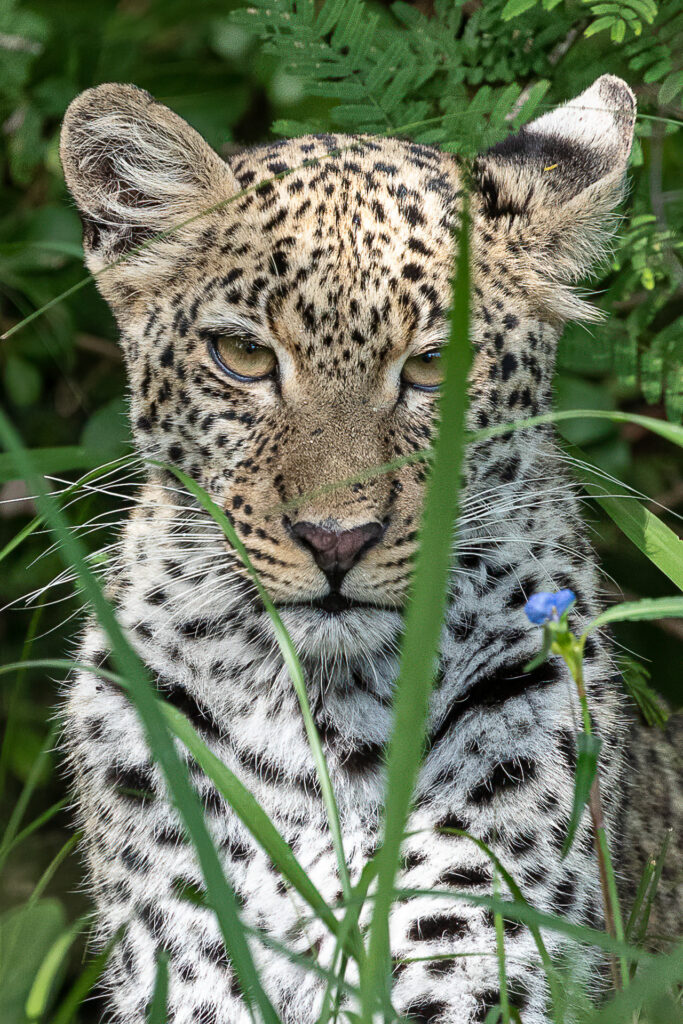
Pay particular attention to the eyes. They are often what give a wildlife photograph its connection and emotion. A sharp eye can make an image feel alive and create a connection with the viewer.
Background
Then consider the background.
A distracting or busy background can destroy an otherwise excellent photograph. Can you change your position, alter your angle, re-frame the image or wait for the animal to move against a cleaner background?
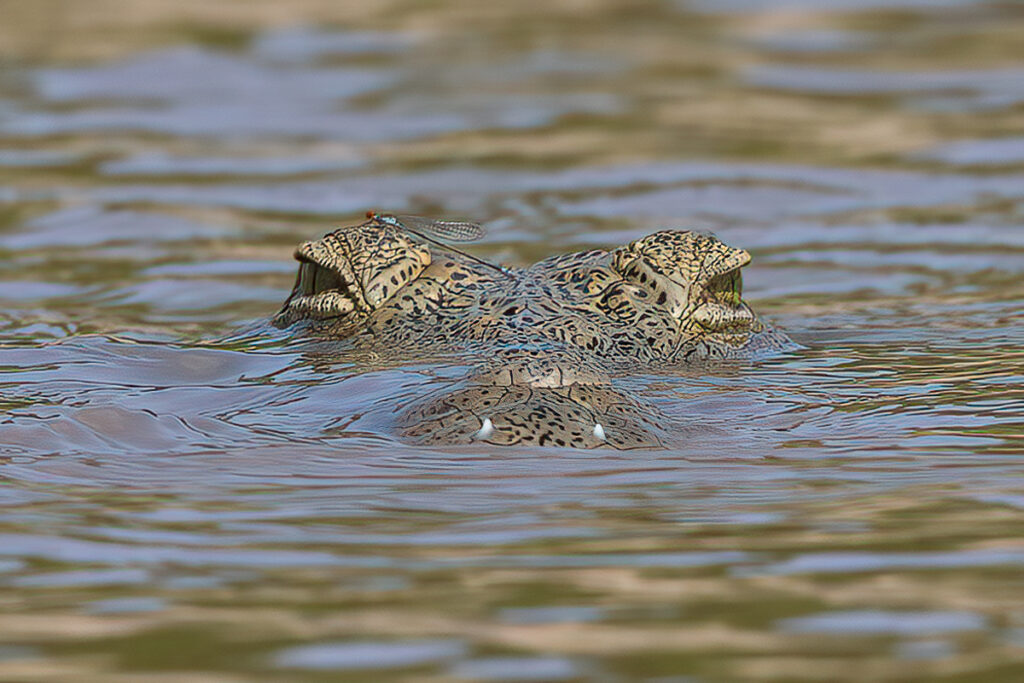
Sometimes simply moving a few metres can make the difference between a cluttered photograph and a clean, powerful image.
Preparation, Preparation, Preparation…
Preparation begins before you leave home.
Get to know your camera. Practice changing settings without taking your eye from the viewfinder. Understand autofocus modes, shutter speeds, exposure compensation, burst shooting and how high you can push your camera’s ISO while still producing a usable image. Every camera is different, and knowing the limits of your equipment before the safari is far better than discovering them during a once-in-a-lifetime encounter.
Clean your lenses and sensor, charge all your batteries, clear and format your memory cards, and take more storage than you think you need. Carry spare batteries and chargers, and keep your equipment protected from dust, rain and humidity.
Just as important is preparing yourself.
Safari days can be long. You may spend hours sitting quietly in a vehicle or on a boat before anything happens, followed by thirty seconds of intense action. Be rested, hydrated and appropriately dressed.
Before every game drive, check your equipment again.
Are the batteries charged? Are the cards inserted and formatted? Is the correct lens attached? Are your camera settings appropriate for the anticipated conditions?
It is remarkably easy to miss the best photograph of the trip because the camera was left on the wrong setting.
My go-to settings are based around photographing birds, as they are often the most easily spooked and can move extremely quickly: f/6.3, 1/2000 sec and Auto ISO. With ISO set to Auto, I can quickly adjust aperture and shutter speed as conditions and behaviour change. Once the encounter is over, I return the camera to my go-to settings so that I am ready for the next opportunity.
At the end of each day, I clean my camera bodies and lenses and charge the batteries. I also download that day’s images onto an external hard drive before clearing the memory cards. If possible, I maintain more than one copy of the photographs while travelling.
What Equipment Should You Take?
You do not need every piece of photographic equipment you own.
A camera body with a reliable autofocus system and a telephoto lens is a great starting point. Something in the region of 100–500mm or 200–600mm provides considerable flexibility for larger mammals and birds. A shorter zoom can be useful for environmental portraits, larger animals close to the vehicle and landscape scenes.
If possible, take two camera bodies. Having a second body with another lens attached means you can react quickly without changing lenses in a dusty environment.
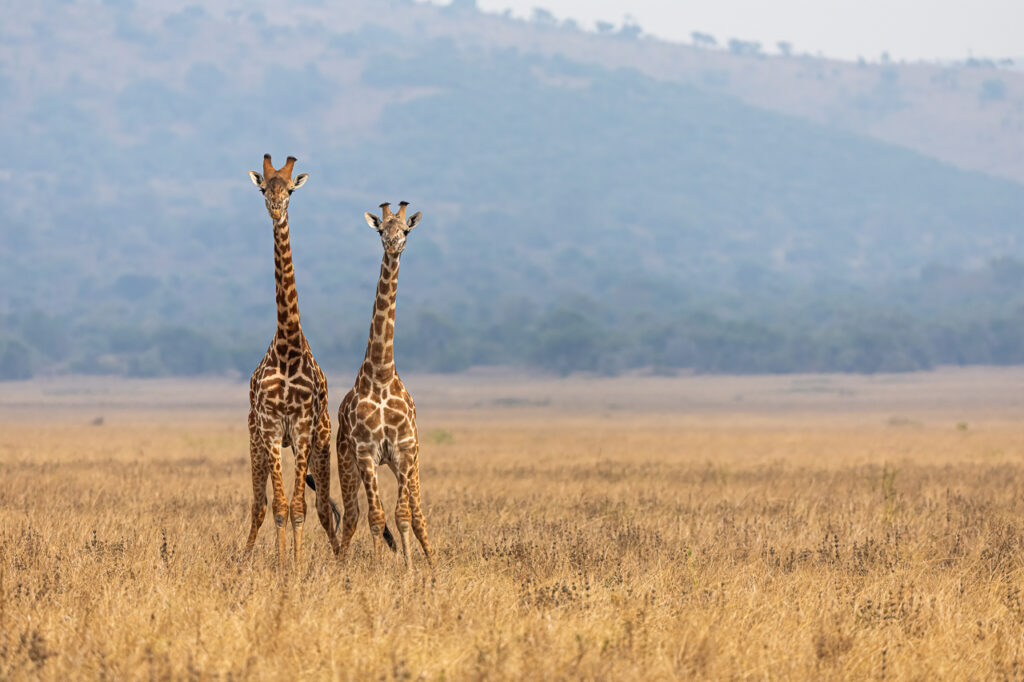
A wide-angle lens can also be surprisingly valuable. Some of the most memorable safari photographs place the animal within its environment rather than filling the entire frame. An animal is not always the whole story; sometimes the landscape is an essential part of the photograph.
Talk to the People Who Know the Area
Your guide, driver or boat captain can be among your most valuable photographic resources.
They spend far more time in the environment than you do and understand animal movements, local conditions and seasonal patterns. Listen to their advice. Local knowledge can make the difference between finding an animal and simply driving around looking for one.
Tell them what you are hoping to photograph, but also explain how you like to work. If behaviour and photography are priorities, they may be able to position the vehicle or boat with light, background and viewing angle in mind.
At the same time, remember that they are responsible for more than your photograph. Respect their judgement, particularly when it comes to distance, terrain, weather and animal behaviour.
Remember That Safari Is Not a Zoo
This is perhaps the most important lesson.
Wild animals do not appear or perform on demand.
You may spend hours looking for a particular species and never see it. You may finally find it, only for it to disappear into long grass. The perfect light may arrive when the animal is facing away from you. A dramatic encounter may happen on the opposite side of the vehicle.
Manage your expectations.
The objective should not simply be to return with photographs of every species on your list. Enjoy the experience of being in a wild environment. Some of the most rewarding encounters may produce no photograph at all.
Respect the Wildlife
Ethical photography begins with putting the welfare of the animal before the photograph. My article Photographing Wildlife the Right Way looks at this in more detail.
Never pressure a guide or driver to move closer simply to fill the frame. Do not encourage behaviour that places an animal under stress, and be particularly careful around mothers with young, nesting birds and animals displaying defensive behaviour.
Your presence should have as little impact as possible.
The photograph is not more important than the subject.
Embrace the Weather
Africa does not always deliver perfect photographic conditions.
Dust, rain, haze, harsh sunlight and heavy cloud can all make photography challenging. But difficult weather can also create distinctive images.
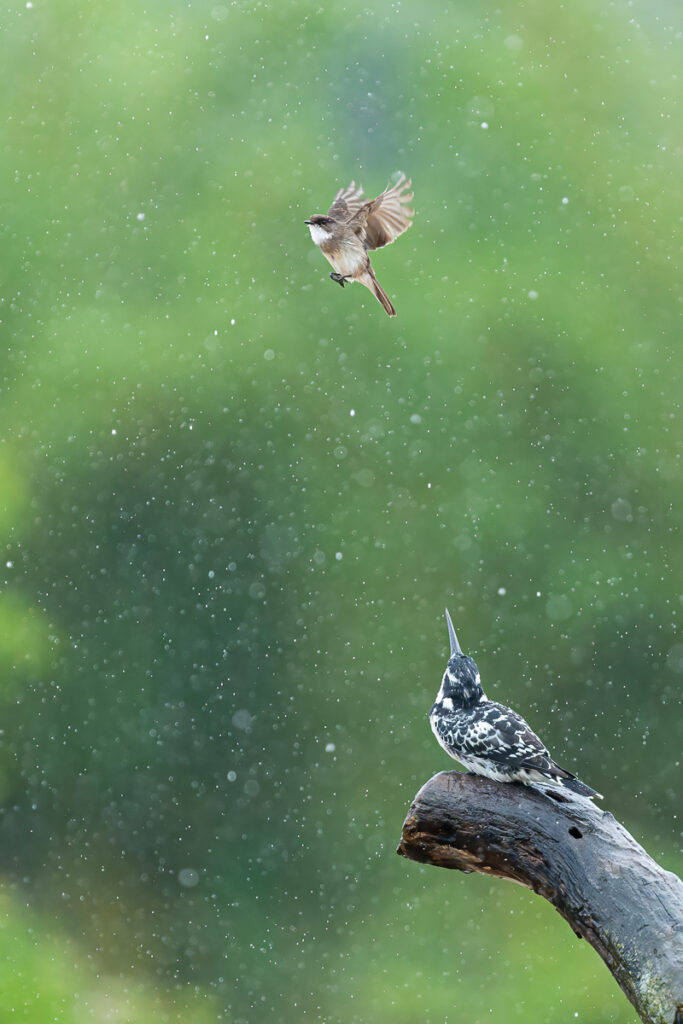
Storm clouds can add drama to a landscape. Rain can produce behaviour that would otherwise be missed. Dust can create atmosphere, while backlighting can transform an ordinary scene.
Rather than waiting for perfect conditions, learn how to photograph the conditions you actually have.
Review, Learn and Adapt
Don’t wait until you return home to discover what worked and what didn’t.
Review your images during the trip. Look critically at them.
Are your shutter speeds fast enough? Are the eyes sharp? Are backgrounds distracting? Are you consistently over- or underexposing? Are you photographing animals in good light but missing the moments when they show interesting behaviour?
Also examine the photographs you didn’t get.
Perhaps the animal moved too quickly. Maybe the autofocus missed. Perhaps you reacted too slowly. These failures are useful. Identify why you missed the photograph and adjust your approach for the next encounter.
Wildlife photography is learned through repetition. Every drive, successful photograph and missed opportunity should make you a better photographer.
The Photograph Is Only Part of the Experience
Ultimately, a successful African safari is not measured by the number of images on your memory cards.
It is measured by how well you observed, understood and respected the wildlife in front of you — and how effectively you were able to translate those encounters into photographs that tell their story.
The best wildlife photographers are not necessarily those with the most expensive equipment. They are the photographers who understand their subject, recognise an opportunity, anticipate behaviour and are prepared when that moment arrives.
The camera records the moment.
Understanding the wildlife creates it.