
My passion for photography came long before my fascination with birds. But the more time I have spent photographing and learning about them, the more extraordinary they have become to me. Their diversity, behaviour, migration and often remarkable adaptations continue to surprise me. Over time, photography has become more than simply a way of capturing birds; it has shaped how I observe, understand and connect with them. This article explores how my passion for photography led me deeper into the avian world, and how these two interests have become inseparable.
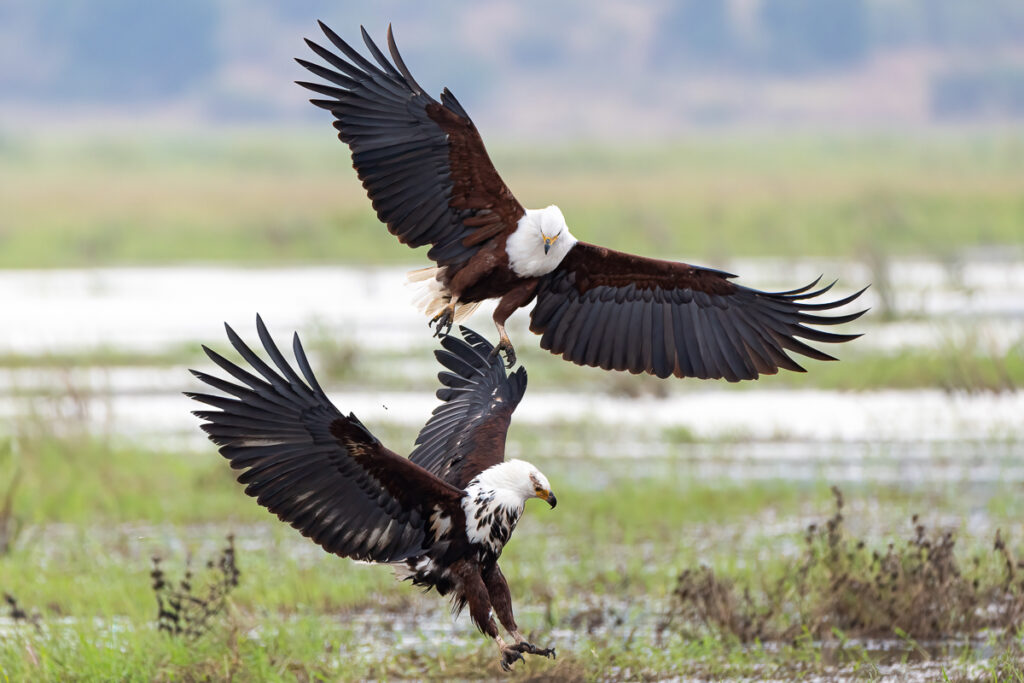
Photography has fundamentally changed the way we study, understand and conserve birds. From the earliest natural history images to today’s high-resolution digital cameras, camera traps, remote systems and images shared instantly around the world, photography has become an important tool for both ornithology and bird conservation. It has allowed scientists to document species with increasing accuracy, enabled researchers to study behaviour without always disturbing their subjects, and helped bring the beauty and vulnerability of birds to a far wider audience.
Before photography became widely available, much of ornithology relied on collecting specimens. Birds were frequently shot so that they could be identified, measured, described and preserved in museum collections. These specimens remain extremely important to science, but photography gradually provided an alternative way of recording many aspects of a bird’s appearance and behaviour. A photograph could document plumage, posture, colouration, habitat and interactions with other species while allowing the bird to remain alive and, in many cases, undisturbed.
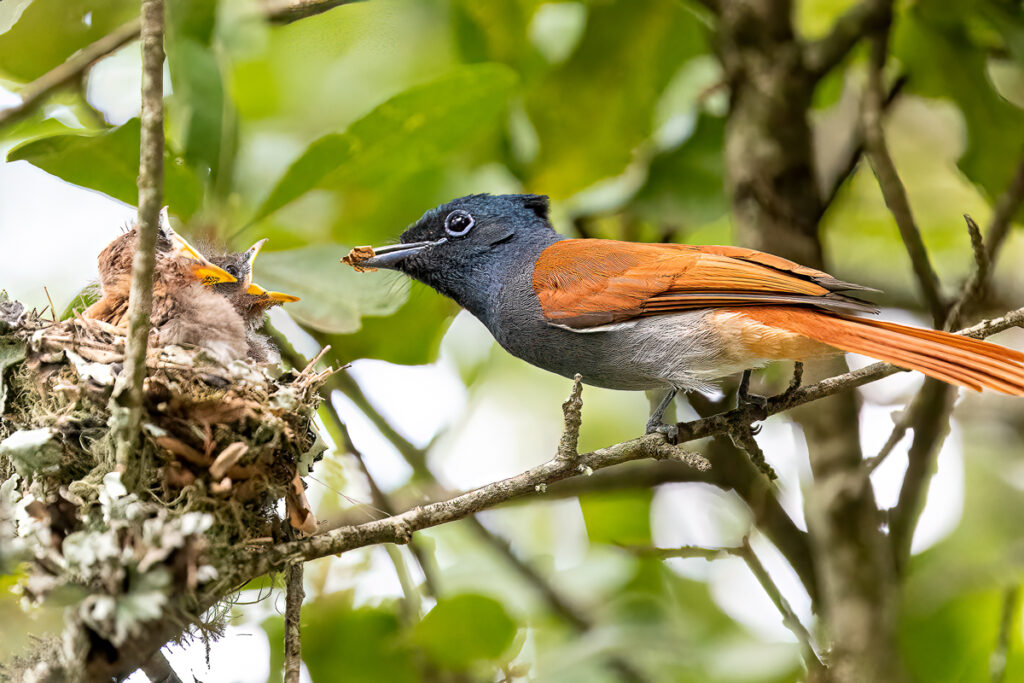
This shift was significant. Photography made it possible to observe individual birds over time and to record moments that would otherwise have been lost. Courtship displays, territorial disputes, migration, nesting behaviour and feeding strategies could be captured and studied in detail. As cameras became faster and lenses became longer, photographers were increasingly able to document birds from a distance. The resulting images created permanent records that could be examined repeatedly by researchers and compared with observations made elsewhere.
Photography has also played an important role in taxonomy and species identification. High-quality images can reveal subtle differences in plumage, bare-part colouration, structure and behaviour. This is particularly valuable in regions where closely related species overlap or where access to specimens is limited. Photographs have contributed to the documentation of rare species, vagrants and potential new species, while modern digital images allow specialists around the world to examine an observation almost immediately.
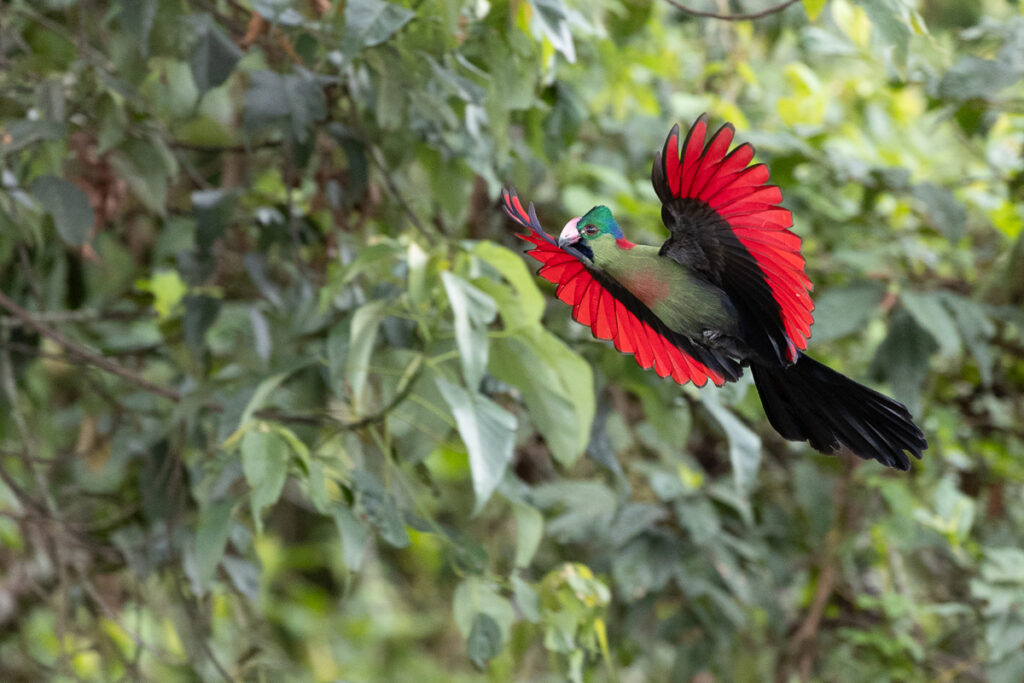
The growth of digital photography has accelerated this process. In the past, a photograph might remain in a personal archive or be published months later in a book or journal. Today, images can be shared instantly through scientific networks, bird recording platforms and online communities. This has created a vast and growing body of visual information. A photograph taken by a birdwatcher in a remote location may provide evidence of a species occurring somewhere unexpected, extending its known range or recording an unusual behaviour.
Citizen science has benefited enormously from photography. Millions of birdwatchers now carry cameras or smartphones capable of producing useful documentary images. Platforms such as eBird and iNaturalist have created opportunities for observations to be shared alongside photographs, dates and locations. While not every image is scientifically significant, the combined volume of observations can reveal patterns that would be impossible for professional researchers to monitor alone. Changes in migration timing, distribution and abundance can increasingly be tracked using observations made by large numbers of people.
Photography has also transformed the public face of bird conservation. Scientific data is essential, but numbers and reports do not always create an emotional connection. A powerful photograph can. Images can reveal the extraordinary beauty of a bird, but they can also expose the threats it faces. Photographs of seabirds entangled in plastic, vultures affected by poisoning, wetlands destroyed by development or forests cleared for agriculture can make environmental problems immediate and difficult to ignore.
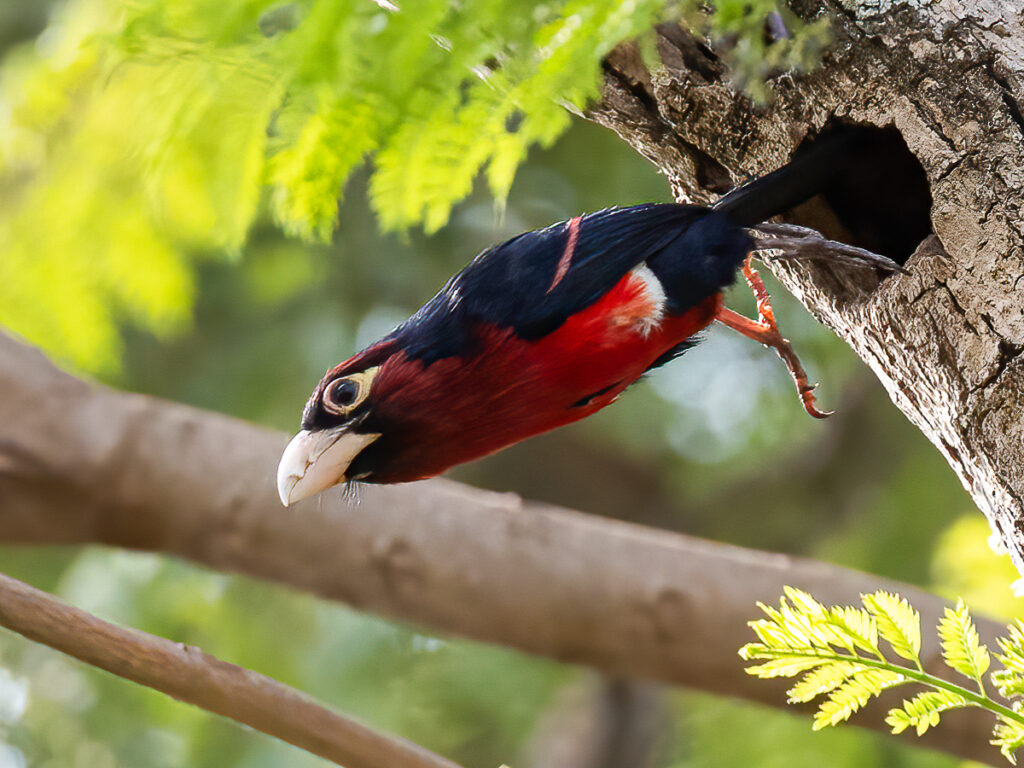
Some of the most effective conservation photography does more than show an attractive bird against a clean background. It places the species within a wider environmental story. A photograph of a flamingo may also reveal the fragile wetland on which it depends. An image of a raptor may communicate the scale of an intact landscape or, alternatively, the pressures created by roads, power lines and human development. By connecting a bird to its habitat, photography can help audiences understand that conservation cannot focus on individual species alone.
Photography has also helped raise the profile of species that might otherwise receive little attention. Large mammals often dominate conservation campaigns, while birds can be overlooked despite their ecological importance. Photography gives conservation organisations the visual material needed for campaigns, education programmes, reports and fundraising. It can introduce people to species they may never encounter themselves and build support for protecting habitats far beyond their own communities.
There is, however, an important ethical dimension. Photography can benefit conservation, but irresponsible photography can also cause harm. Birds may be disturbed from nests, repeatedly approached during sensitive periods or stressed by photographers attempting to secure a particular image. Playback and baiting can alter natural behaviour, particularly when used excessively. Rare species can also be placed at greater risk if precise locations are shared publicly.
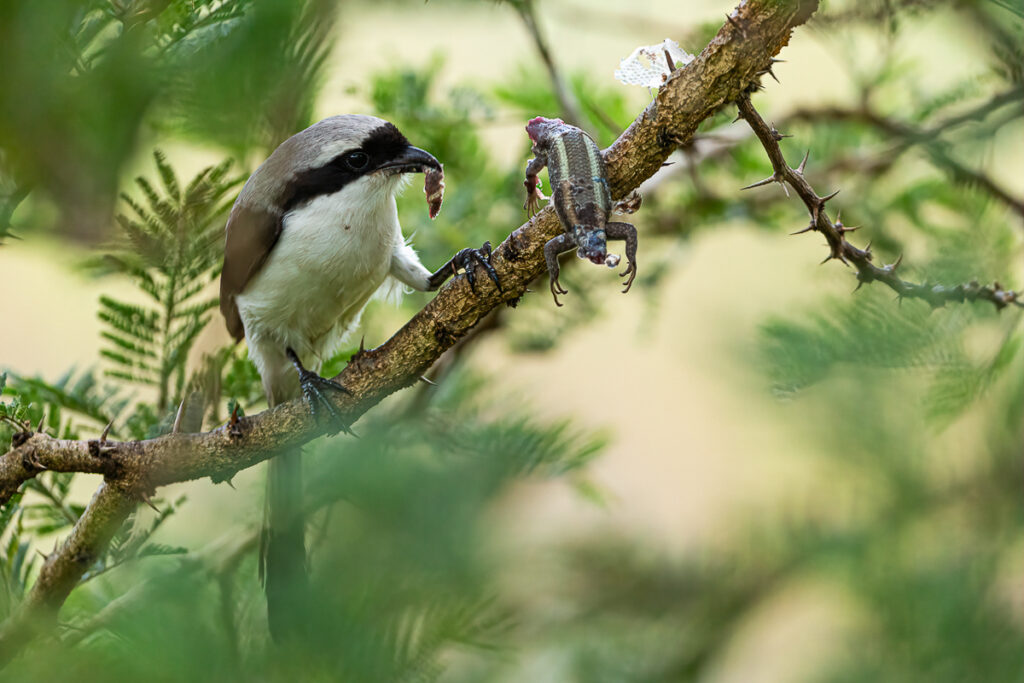
The most valuable wildlife photograph should never come at the expense of the welfare of its subject. Distance, patience and an understanding of behaviour are fundamental. Photographers must recognise warning signs and withdraw when their presence is affecting an animal. Ethical photography also requires considering the wider consequences of publishing an image, particularly when dealing with threatened species, nesting sites or locations vulnerable to disturbance or exploitation.
The relationship between photography and ornithology will continue to develop. Advances in camera technology, artificial intelligence and remote imaging are creating new opportunities to identify species and monitor populations. Yet the greatest value of photography remains its ability to combine evidence with communication. It can provide a scientific record while also creating curiosity, wonder and concern.
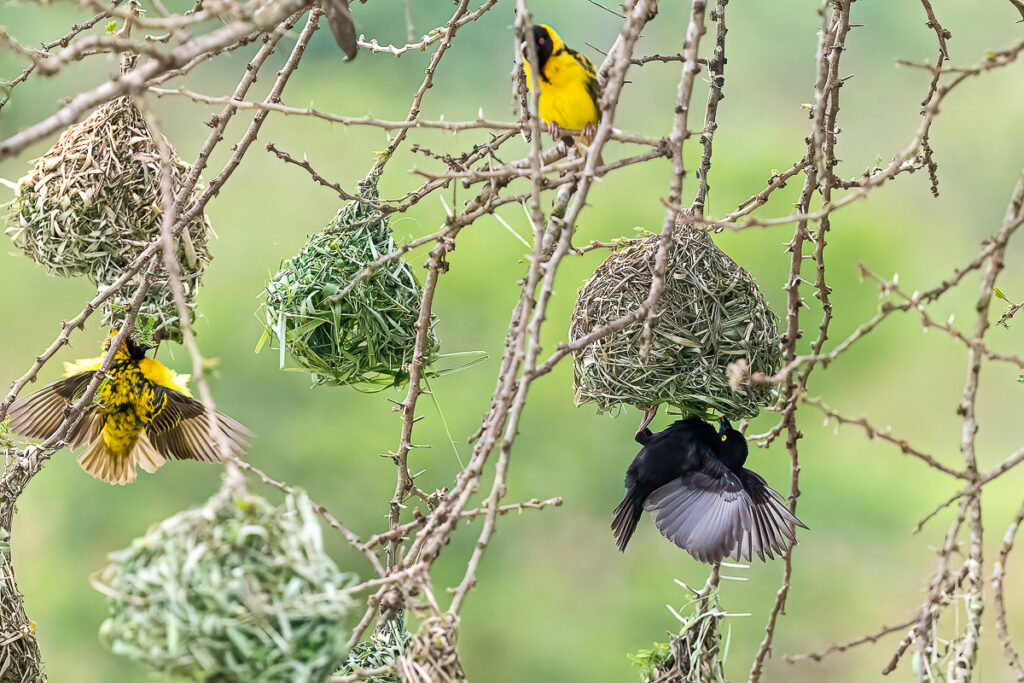
Bird conservation ultimately depends on people understanding what is at stake. Photography has helped make birds visible not only as subjects of scientific study, but as individuals, species and vital parts of functioning ecosystems. By documenting their lives and revealing the environments on which they depend, photography has become one of the most powerful bridges between ornithology, conservation science and the wider public.
Its greatest contribution may therefore be its ability to turn observation into connection. A photograph can record a bird in a fraction of a second, but the understanding it creates can influence research, education and conservation long afterwards.