
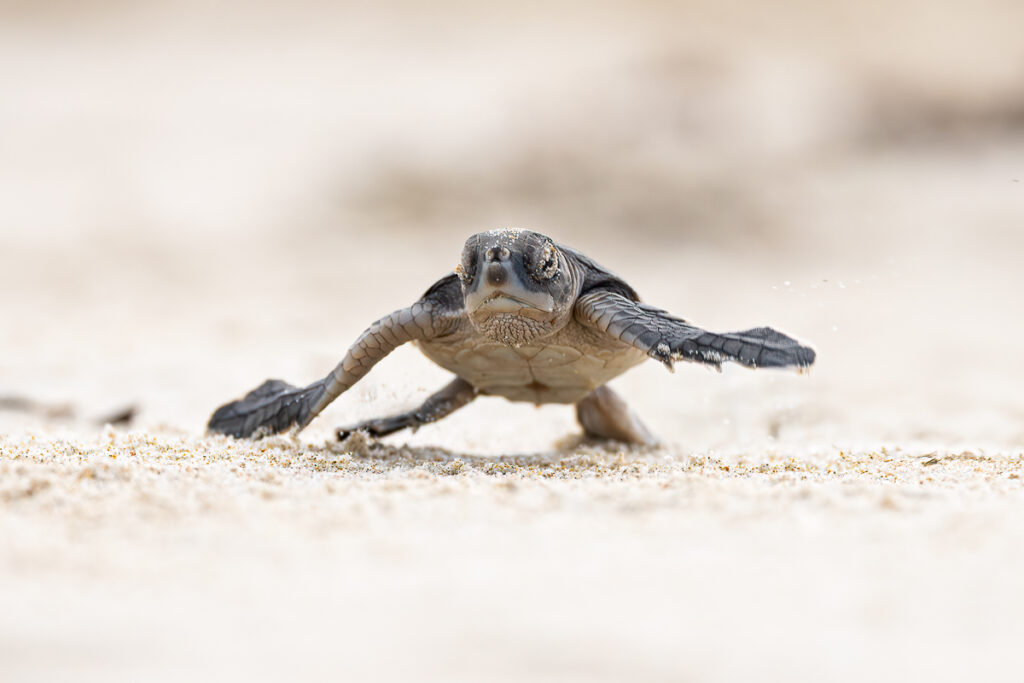
Few wildlife encounters are more troubling to me than watching tourists climb into pools or cave to swim with sea turtles in Zanzibar. What is often presented as a conservation experience can instead involve wild animals being kept in confined spaces, repeatedly fed and handled for the entertainment of visitors. As a wildlife photographer and conservation storyteller, I believe our encounters with wildlife should put the welfare of the animal first—not the quality of the tourist photograph.
That is why the growing number of turtle pools on Unguja and the estimated 350-400 sea turtles held in captivity deserves much closer scrutiny. Zanzibar is rightly proud of its marine environment and is taking increasingly important steps to protect its sea turtles. But if the island is serious about conserving these threatened animals, it needs to ask whether allowing tourists to swim with, touch and feed captive turtles is compatible with that ambition.
But as Zanzibar strengthens its commitment to marine-turtle conservation, an uncomfortable question is becoming harder to avoid: when does a turtle conservation facility stop being a rehabilitation centre and become a tourist attraction?
The question is particularly relevant because Zanzibar is home to green turtles (Chelonia mydas) and critically endangered hawksbill turtles (Eretmochelys imbricata), while Tanzania’s marine waters support five species of sea turtle. The Tanzanian government’s National Action Plan for Conservation of Marine Turtles 2024–2029 recognises that marine turtles face multiple threats, including fisheries bycatch, coastal development, degradation of feeding and nesting habitats, climate change and human disturbance.
The Action Plan is significant because it represents a government-wide framework for reversing these pressures. Its seven strategic objectives include reducing turtle mortality, protecting critical habitats, strengthening enforcement, improving research and monitoring, increasing public awareness and strengthening policies for responsible turtle conservation. It was jointly endorsed by Tanzania’s Ministry of Livestock and Fisheries and Zanzibar’s Ministry of Blue Economy and Fisheries.
It does not, however, call for Zanzibar’s turtle pools to be closed.
That distinction is important.
Some of the island’s turtle facilities have genuine conservation histories. The Mnarani Marine Turtles Conservation Pond at Nungwi, established in 1993, originated as a community response to turtles accidentally caught in fishermen’s nets. The facility describes itself as a rehabilitation and conservation project, with turtles being cared for before release.
There is therefore a legitimate conservation argument for temporarily holding an injured or exhausted turtle that cannot immediately survive in the ocean. Rescue, rehabilitation and eventual release are well-established conservation practices. The concern arises when captivity becomes permanent, or when the interaction with tourists becomes central to the experience.
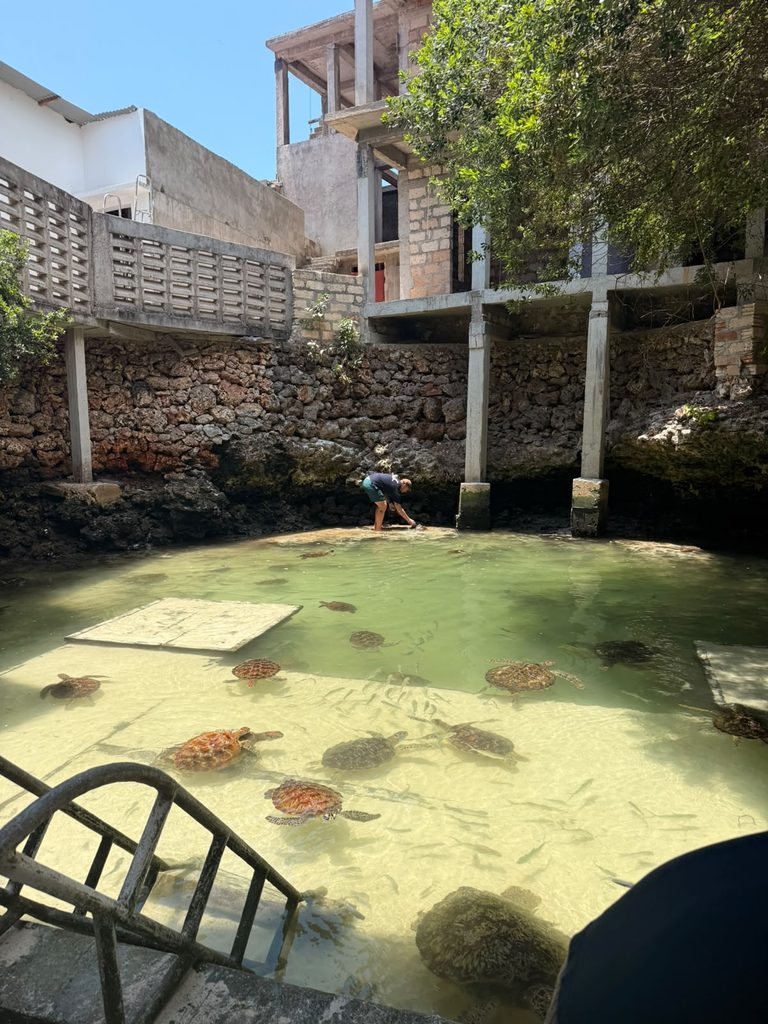
Today, some Zanzibar facilities openly market the opportunity to swim with, feed and interact with sea turtles. Baraka Natural Aquarium in Nungwi, for example, advertises swimming and feeding experiences as part of its visitor offering.
This has prompted growing criticism from conservationists. The debate is no longer confined to conservation organisations. Negative experiences are increasingly visible in online reviews and social-media discussions, where visitors describe overcrowding, close handling of turtles, excessive feeding and concerns about the conditions in some pools. There are also positive reviews, but the strength of the criticism matters. When tourists leave an attraction feeling that they have witnessed poor animal welfare, they can discourage other visitors from going. That risks damaging not only individual facilities but Zanzibar’s wider reputation as a destination for responsible wildlife tourism.
Most significantly, Under The Wave says it is working with Zanzibar’s Ministry of Blue Economy and Fisheries on official guidelines for sea-turtle aquariums, with animal welfare and conservation at their centre. The organisation has also reported a recent government intervention at a facility operating in poor conditions, during which 24 green turtles and one hawksbill were released into the sea.
This appears to represent an important shift: rather than treating every facility as either a conservation success or a tourist attraction, Zanzibar is beginning to consider how these operations should actually be regulated.
The government’s Action Plan provides an important framework for that process. It warns that increasing coastal tourism can damage or eliminate nesting beaches and feeding grounds and stresses that blue-economy development must be undertaken without jeopardising threatened species. My recent article Returning Home: Turtle Conservation in Tanzania, (insert link) looks more closely at the challenges marine turtles are facing and what is being done to help address them.
There is also a very different model of turtle conservation developing on Unguja.
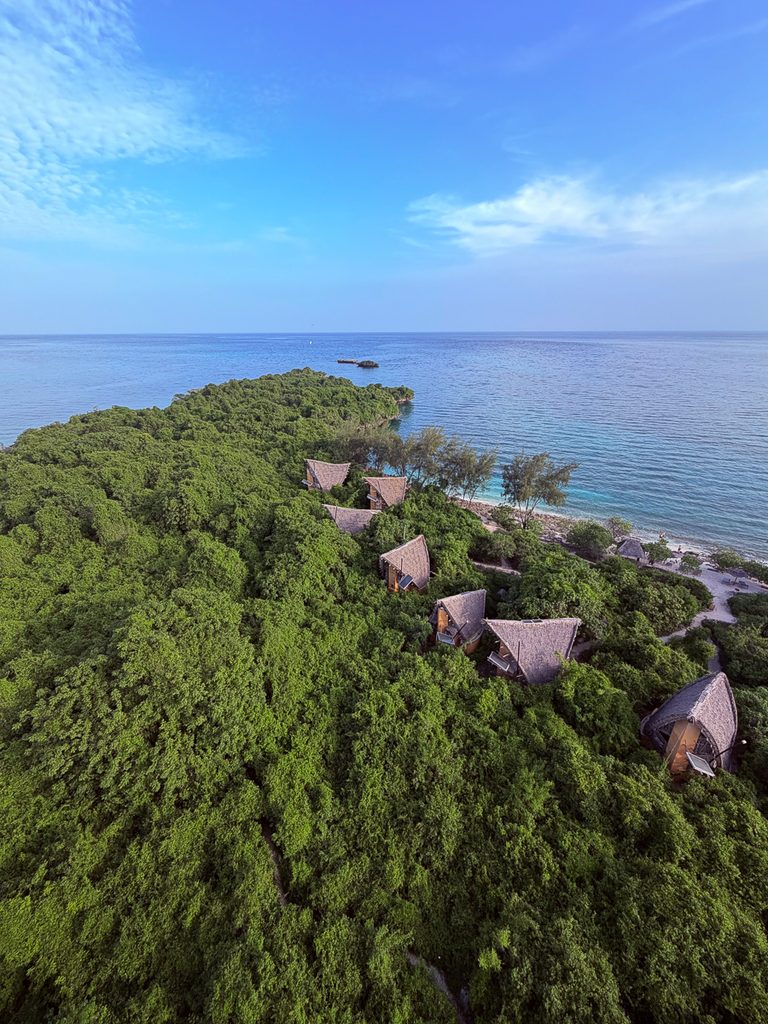
For visitors who genuinely want to see sea turtles, there are alternatives that do not require entering a captive pool. Chumbe Island, for example, protects a marine reserve where both green and hawksbill turtles occur, and its guided snorkelling trips are led by rangers. Visitors may encounter turtles while exploring the reef in their natural environment, rather than interacting with animals that have been conditioned to associate people with food. A guided snorkelling trip with a reputable dive or marine operator can offer a similar experience: the guides know the local waters and where wildlife is regularly encountered, while the objective is observation rather than physical interaction.
At Matemwe, conservationists protect turtle nests and release hatchlings directly into the ocean. The emphasis is on keeping turtles in their natural environment and minimising unnecessary human interference. Recent reporting has highlighted the work of local conservationists protecting nests from coastal threats, pollution and predators.
This raises a fundamental question for Zanzibar’s tourism industry.
Voluntourism also deserves consideration. Zanzibar already attracts people who want to spend part of their holiday contributing to turtle conservation, and legitimate programmes can provide useful support for activities such as caring for injured turtles, monitoring nests, beach clean-ups, education and habitat protection. But prospective volunteers should ask difficult questions before paying to participate: Where do the turtles come from? What proportion of the fee reaches conservation work? Are animals actually rehabilitated and released? Is the programme reducing threats in the wild, or simply creating another reason to keep turtles in captivity? Good voluntourism should strengthen conservation outcomes rather than increase the demand for close encounters with captive wildlife.
Should conservation tourism bring people closer to wildlife—or should good conservation sometimes mean keeping people away?
A turtle that has been rescued after becoming entangled in fishing gear may genuinely need human care. A turtle permanently maintained in a fresh water pool so tourists can feed and touch them it is a very different proposition.
The answer may not be to close every turtle facility. Instead, Zanzibar could require clear standards: documented origins of every turtle, veterinary assessment, maximum periods of captivity, appropriate water quality and nutrition, strict limits on visitor numbers, no touching or swimming, transparent records of releases, and independent monitoring. Such measures would bring turtle tourism more closely into line with the principles of the 2024–2029 National Action Plan.
Ultimately, Zanzibar’s sea turtles belong in the ocean. The island’s challenge is to ensure that conservation facilities exist primarily for the turtles—not the other way around. The growing debate over the pools therefore represents something bigger than a dispute about tourism. It is a test of whether Zanzibar can turn its increasingly ambitious marine-conservation commitments into meaningful standards for how wildlife is treated.
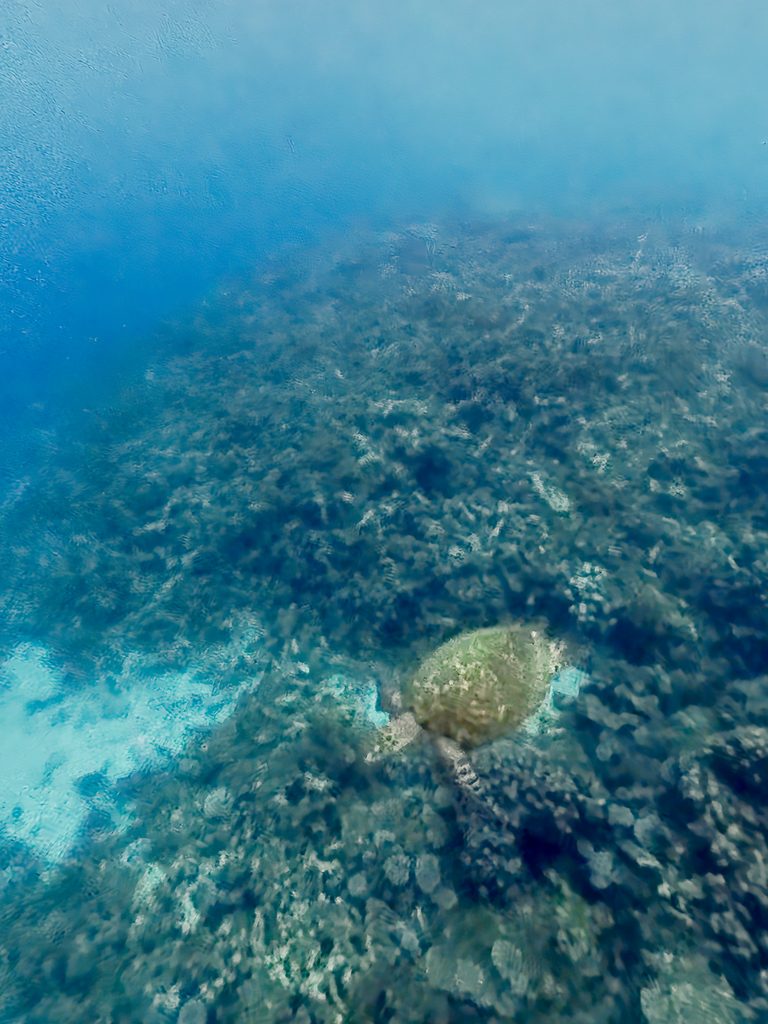
A turtle encounter can be unforgettable. But Zanzibar does not need captive turtles to give visitors an ‘unforgettable’ marine experience. The most successful conservation story would be one in which visitors leave the island having seen turtles in the sea, learned why they matter, and understood that protecting wildlife sometimes means resisting the temptation to get closer. The goal should be simple: wild turtles, protected habitats—and turtles still where they belong: in the sea.