
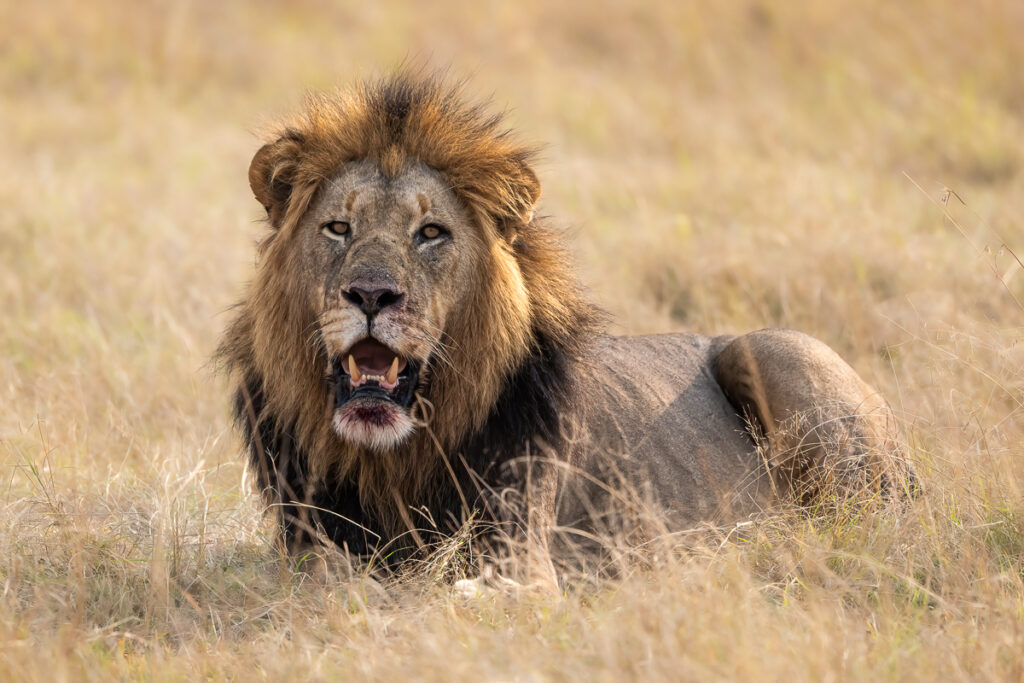
Few phrases are more closely associated with an African safari than “the Big Five.” Lion, leopard, elephant, rhinoceros and African buffalo have become icons of the continent’s wildlife and among the most sought-after animals for visitors to Africa’s national parks and wildlife reserves.
For me, the Big Five have come to mean much more than a checklist of animals to photograph. Having lived in Sudan, Rwanda and Tanzania, and spent time in the field as a wildlife photographer and conservation storyteller, I have experienced these animals not simply as subjects through a camera lens, but as part of much larger landscapes and stories. The more time I spend around wildlife, the more I realise that the real story is rarely just about the animal itself. It is about the habitat it depends on, the people who share that habitat and the increasingly complex relationship between the two.
The name “Big Five” has an unexpected history. It was not originally a list of Africa’s five largest mammals, nor was it created as a celebration of wildlife. The term came from the era of big-game hunting, when these five animals were regarded as among the most difficult and dangerous animals to hunt on foot.
The original meaning was therefore less about size than about difficulty, danger and prestige. An elephant or rhinoceros was obviously large, but the inclusion of the leopard and buffalo demonstrates that physical size was not the defining characteristic. Leopards are relatively small compared with many other African mammals, yet their elusive nature made them particularly challenging to track. African buffalo, meanwhile, have a reputation for being unpredictable and potentially dangerous when threatened.
Today, however, the meaning of the Big Five has changed dramatically. The rifle has largely been replaced by the camera, and animals that were once prized as hunting trophies have become symbols of Africa’s extraordinary natural heritage.
The animals behind the legend
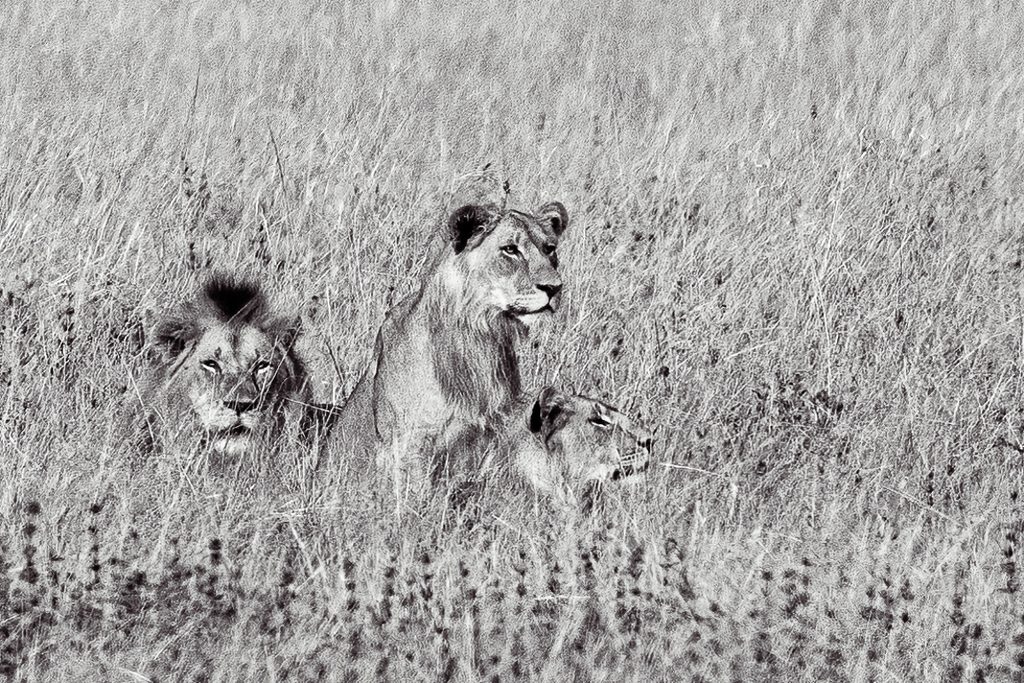
The lion is perhaps the most recognisable of the five. Living and working around Africa’s wildlife has made me appreciate how different the reality of a lion can be from the iconic images we often see. A lion resting in the early morning light may look almost regal, but watching a pride interact reveals a much more complex social animal — one shaped by family, territory, competition and survival.
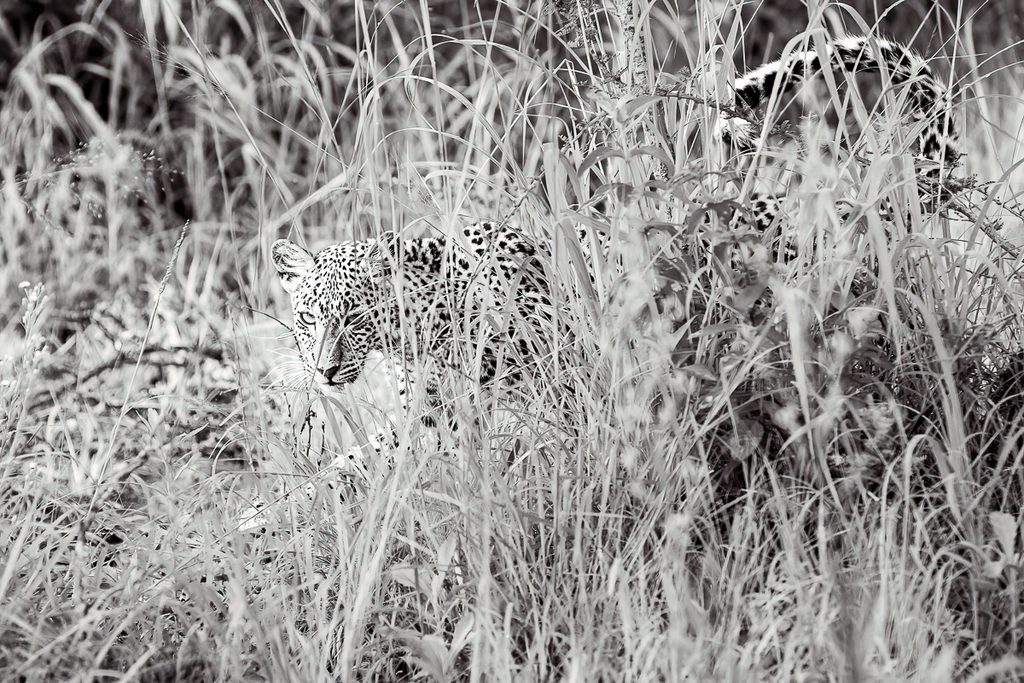
The leopard presents a very different challenge. Of the Big Five, it is often the one that demands the greatest patience from a photographer. Solitary, secretive and predominantly nocturnal, a leopard can be remarkably difficult to find. I have always found something particularly rewarding about those encounters when the search finally pays off — often just a fleeting glimpse through vegetation or the sudden appearance of a spotted coat in a tree.
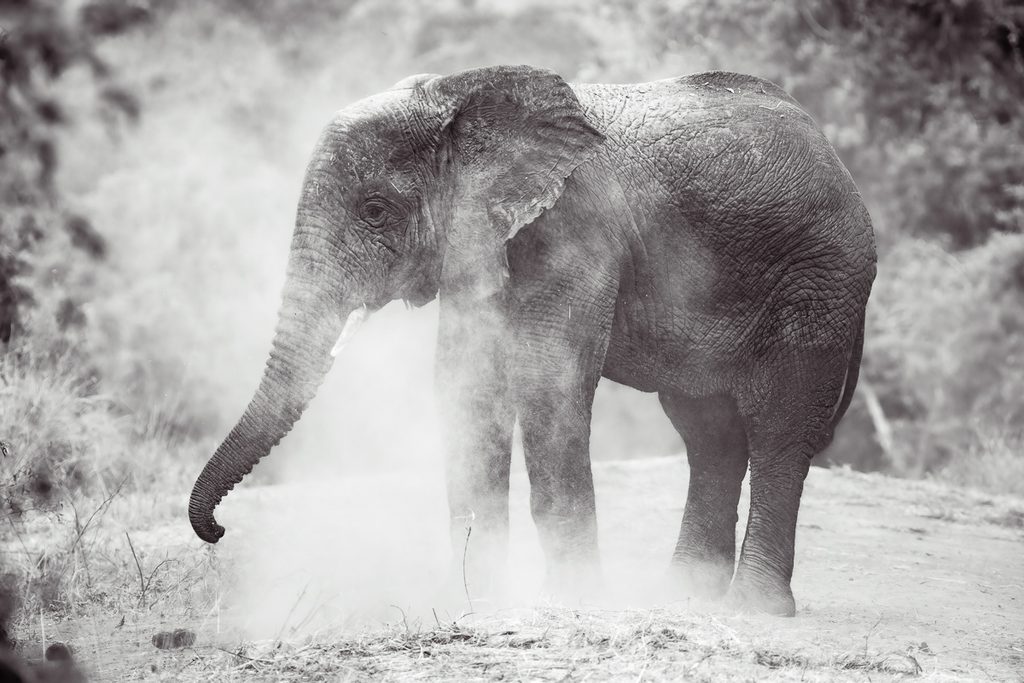
The African elephant is impossible to ignore. It is the largest land mammal on Earth and one of the animals that can make you feel genuinely small when you are standing nearby. Yet what has struck me most about elephants is not simply their size. It is their social behaviour, intelligence and obvious awareness of one another. They are also powerful landscape engineers, shaping vegetation, dispersing seeds and creating opportunities for other species.
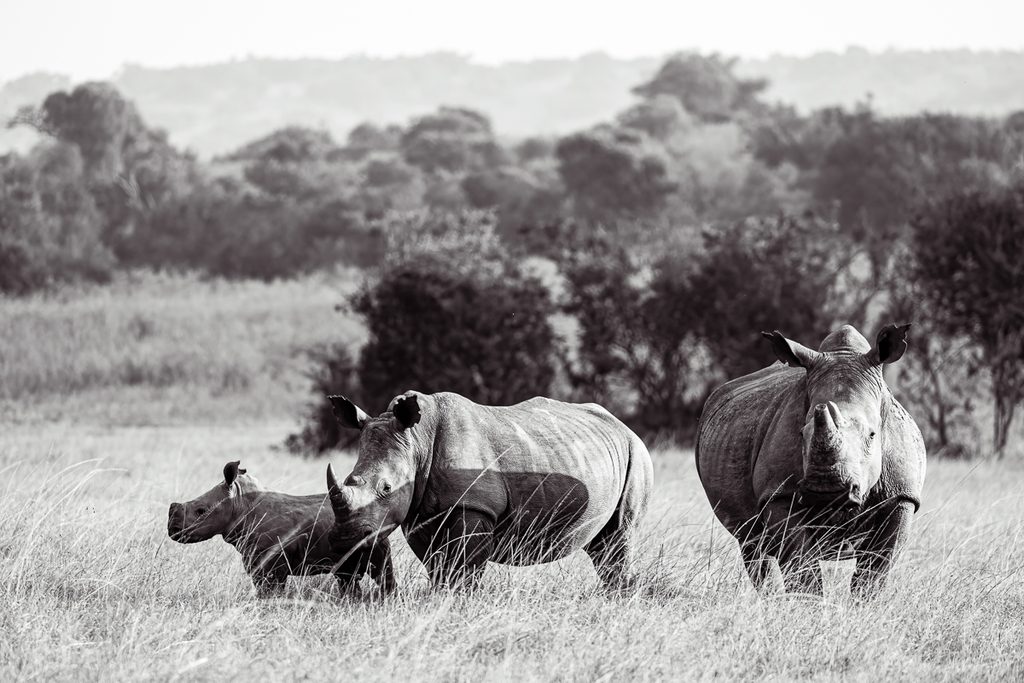
The rhinoceros represents something more difficult. Seeing a rhino in the wild can be an extraordinary photographic experience, but it is also impossible to ignore the threats these animals face. Black and white rhinos have endured enormous pressure from poaching, driven by the illegal demand for their horns. Every encounter therefore carries a deeper significance: this is an animal whose continued existence depends heavily on the work of conservationists and the protection of its habitat.
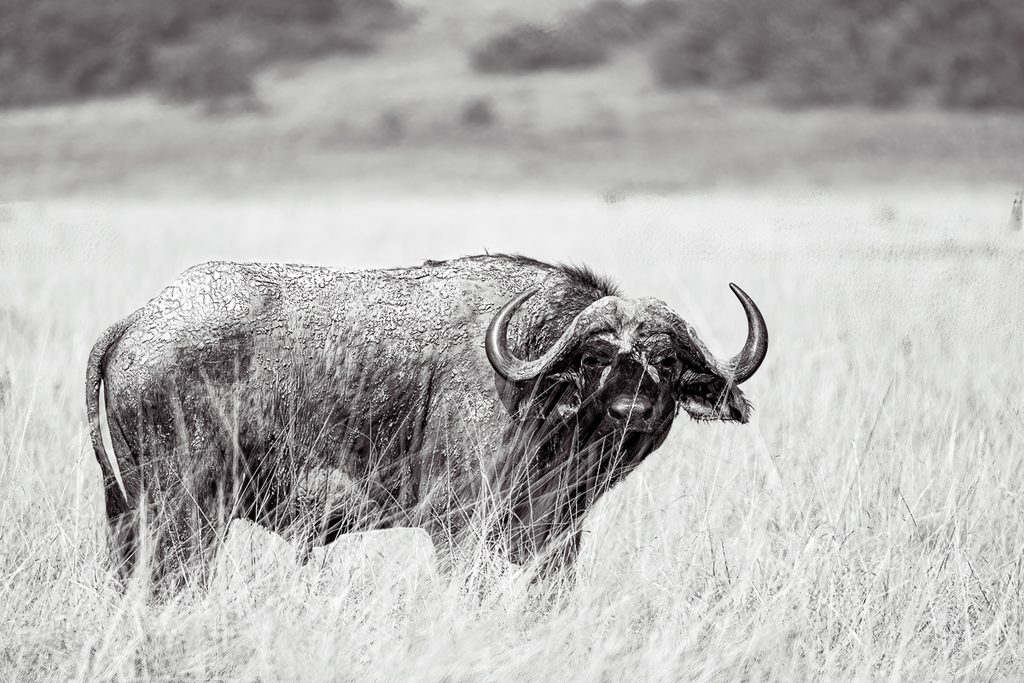
Then there is the African buffalo. It may not have the glamour of the lion or leopard, but spending time watching buffalo quickly dispels any idea that they are simply supporting characters. Large herds can transform a landscape, and their strength and defensive behaviour command respect. Their inclusion in the original Big Five was based partly on their reputation as formidable animals to hunt — a reputation that is easy to understand when you encounter a large herd on foot.
From hunting list to conservation symbol
The modern interpretation of the Big Five reflects a profound change in attitudes towards Africa’s wildlife. Conservationists, photographers and the tourism industry have effectively reclaimed the term. Instead of representing animals people wanted to kill, the Big Five increasingly represent animals people travel across the world to see, photograph and help protect.
Living in Rwanda and Tanzania has reinforced for me that conservation cannot simply be about putting fences around wildlife. Africa’s protected areas exist within a much bigger human landscape, and the future of wildlife is inseparable from the future of the people living alongside it.
The threats facing the Big Five
All five face significant pressures from human activity. Poaching remains a serious threat, particularly to rhinos because of the illegal trade in their horns and to elephants because of ivory. Habitat loss and fragmentation are also reducing the space available to wildlife as land is converted for agriculture, livestock, roads and settlements.
Then there is human-wildlife conflict, perhaps one of the most complicated challenges I have encountered in telling conservation stories. An elephant damaging a farmer’s crops, a buffalo threatening livestock, or a lion or leopard taking domestic animals is not an abstract conservation issue to the person whose livelihood is affected. Retaliation can result in wildlife being killed.
The challenge, therefore, is not simply to protect individual animals. It is to find ways for wildlife and people to coexist in landscapes where both need space and resources.
Looking beyond the Big Five
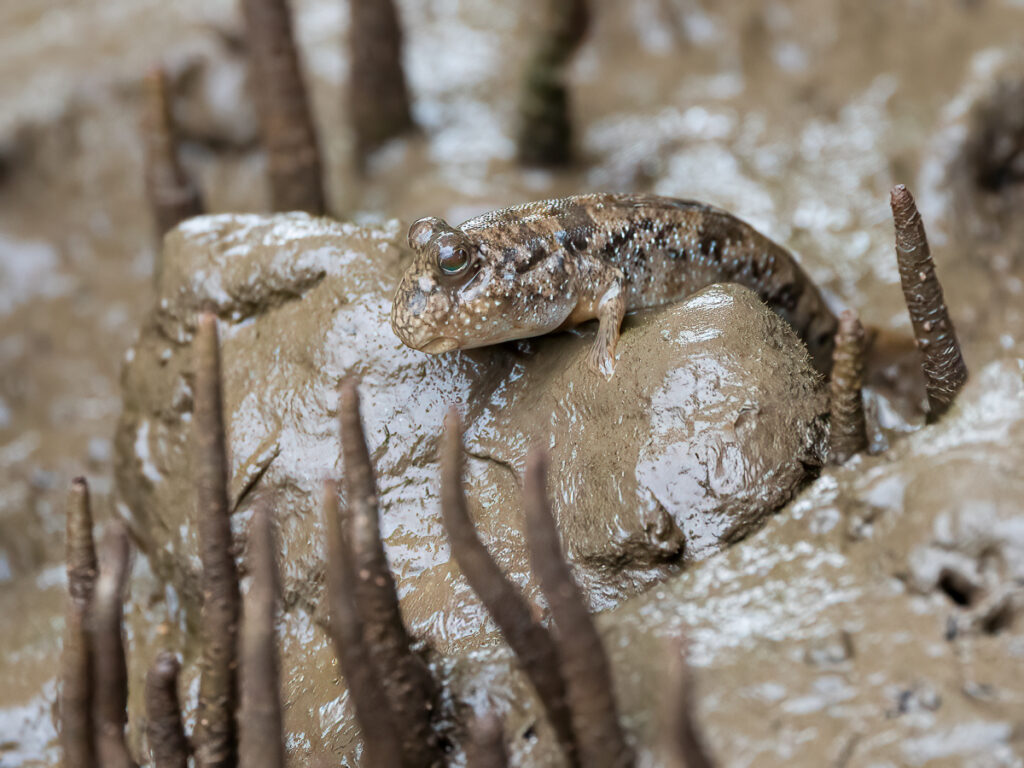
The Big Five are important, but they are not Africa’s only wildlife story. Giraffes, cheetahs, wild dogs, hippos, gorillas, antelope, pangolins, birds, reptiles and thousands of less celebrated species are equally important parts of the continent’s natural heritage.
As a wildlife photographer, I have become increasingly conscious of this. The most meaningful photograph is not necessarily the one of the most famous animal. Sometimes it is an image that tells us something about a habitat, a relationship, a threat — or simply a species that most people would have walked past.
Perhaps that is the most interesting evolution of the Big Five. They were originally defined by the challenge of killing them. Today, they are defined by the privilege of seeing them alive.
And for me, that is where photography and conservation storytelling intersect. A photograph can be beautiful, but it can also make people pause, look closer and care about what they are seeing.
Africa’s great wildlife is no longer a collection of trophies. It is a living inheritance — and one whose future depends on whether we can learn to value the animals, the ecosystems and the people who share these extraordinary landscapes.