
Sea Turtles Along Tanzania’s Coast
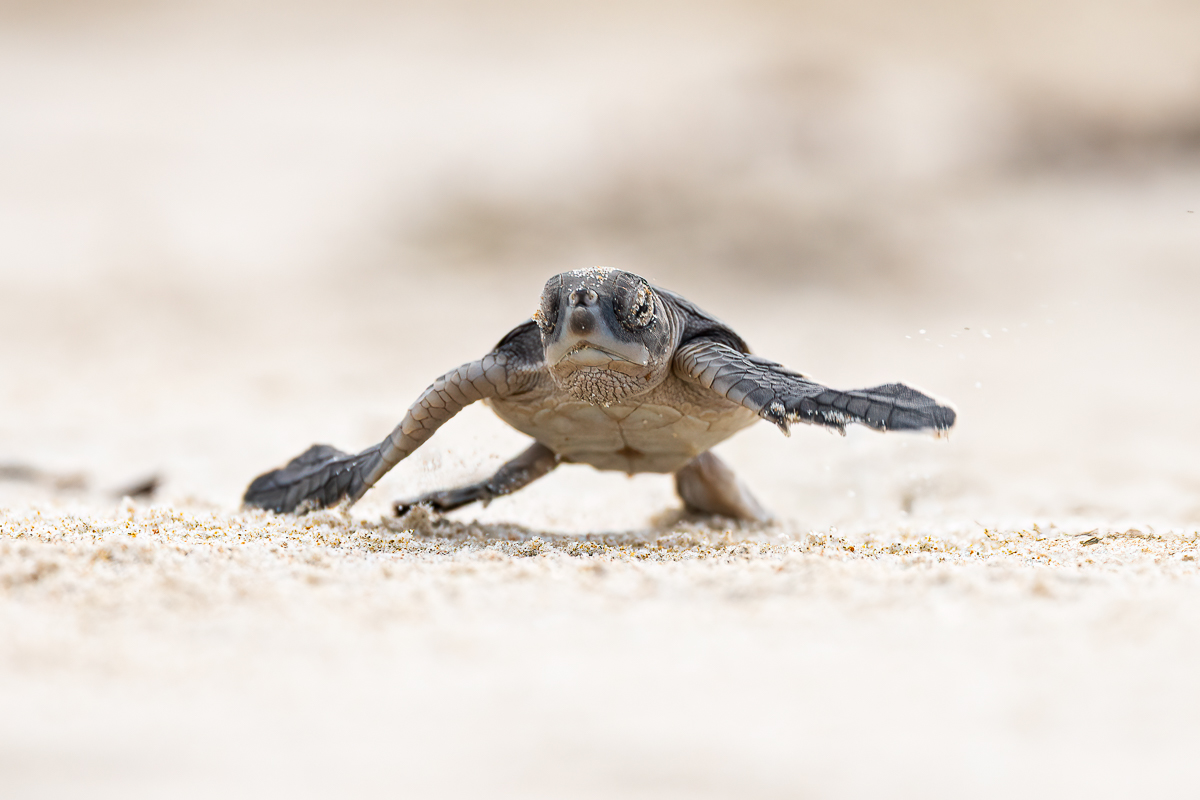
Five of the world’s seven sea turtle species can be found in Tanzania’s coastal waters. Drawn by extensive seagrass meadows and healthy reef systems, these ancient marine reptiles play a vital role in the country’s coastal ecosystems. Green Sea Turtles (Chelonia mydas) and Hawksbill Turtles (Eretmochelys imbricata) also regularly nest along Tanzania’s mainland and island beaches, particularly around Mafia Island and Zanzibar.
Supporting Conservation Through Sea Sense
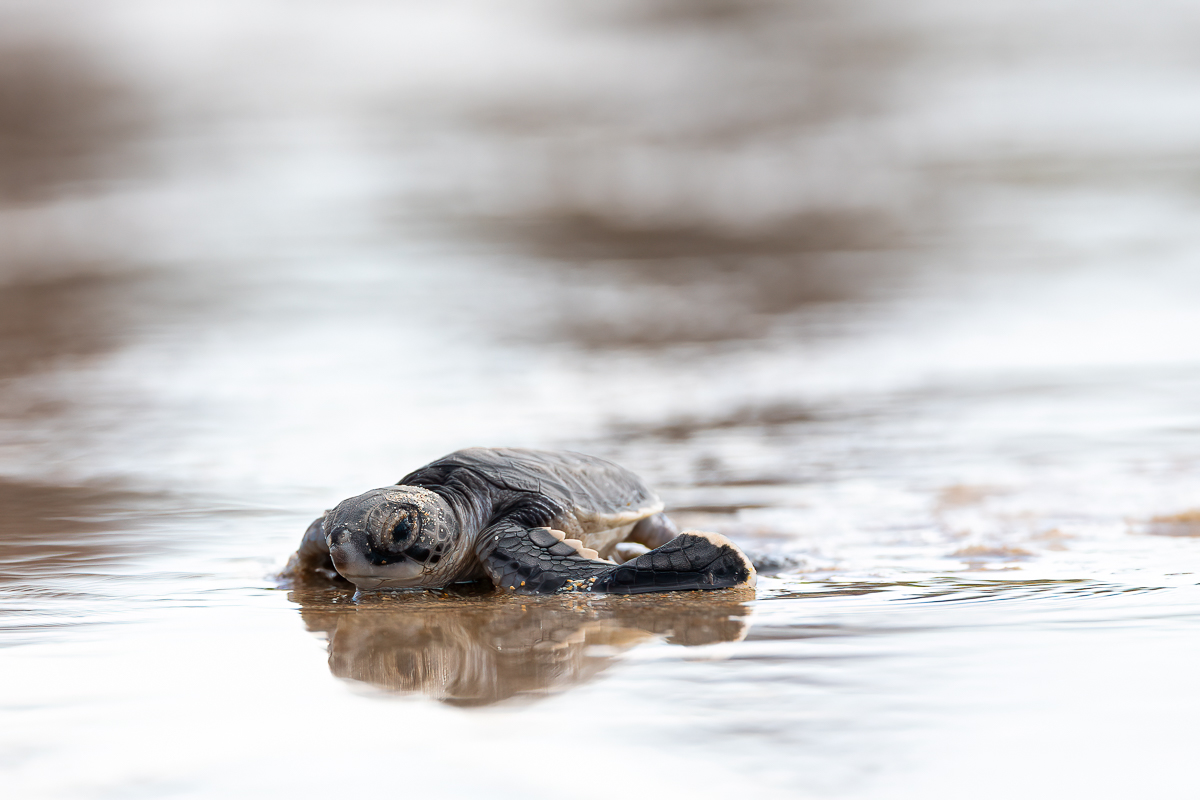
Since arriving in Tanzania late last year, I have had the privilege of supporting the work of Sea Sense, a marine conservation NGO dedicated to protecting Tanzania’s endangered marine wildlife. Its work spans sea turtles, dugongs, whales, dolphins, and whale sharks, and is rooted in close collaboration with coastal communities. By combining training, education, and employment opportunities, Sea Sense is helping to transform attitudes toward conservation. As a result, local communities are increasingly engaged in marine conservation and more aware of the importance of safeguarding Tanzania’s natural heritage for future generations.
Threats Facing Nesting Beaches
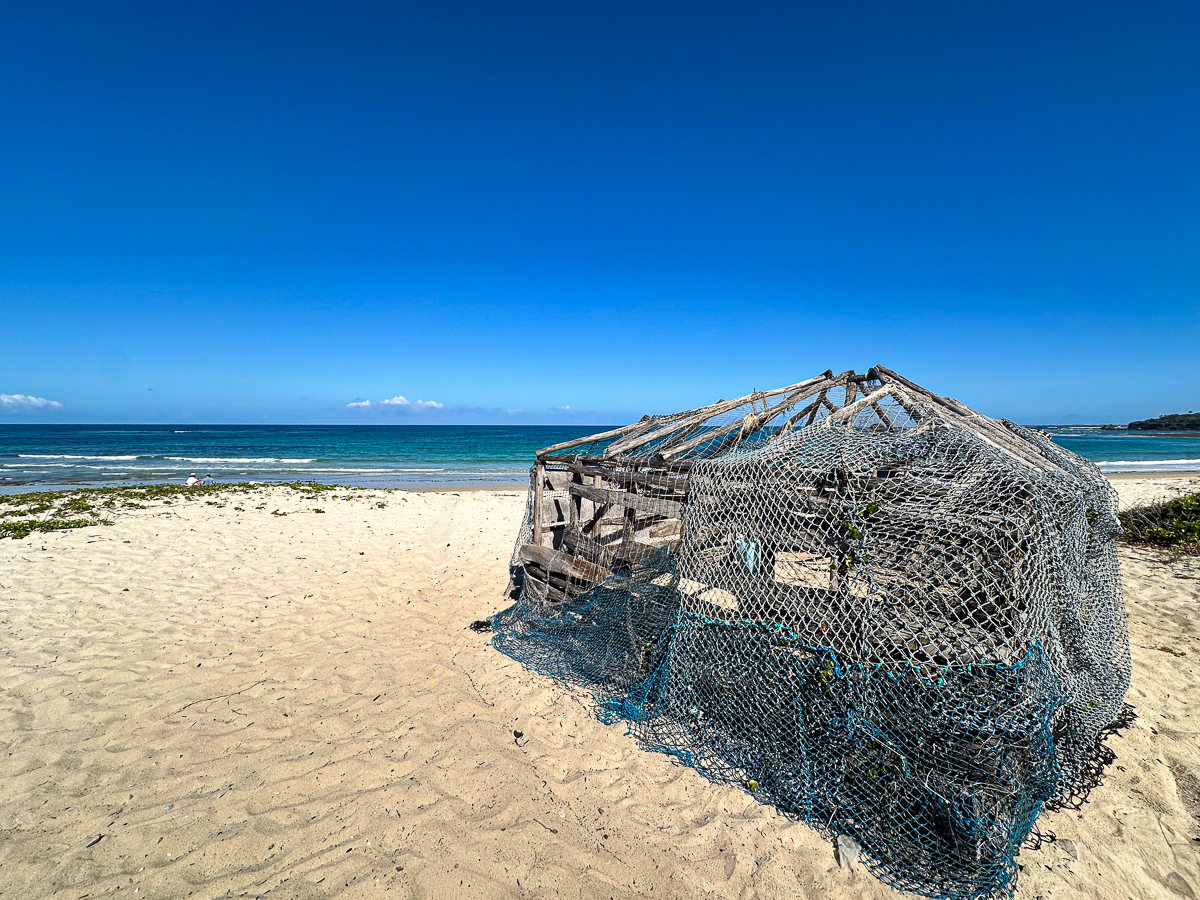
My work with Sea Sense has focused primarily on Green Sea Turtles, particularly the protection of their nesting sites along the Tanzanian coastline. These beaches face a wide range of threats. Marine pollution, especially plastic waste and discarded fishing gear, can entangle turtles or be mistaken for food. Runoff from coastal development introduces toxins into the marine environment, harming turtles and their feeding grounds. Climate change presents an additional challenge: rising sea levels and increased coastal erosion are reducing the availability of suitable nesting beaches. Artificial lighting along the shore can deter nesting females and disorient hatchlings, drawing them away from the sea. Natural predators take some eggs, while illegal harvesting of eggs and turtle meat by humans remains a significant concern.
Community-Led Protection of Turtle Nests
To address these threats, Sea Sense has trained members of coastal communities to work as Conservation Officers. Sea turtles are long-lived and slow to mature, with Green Sea Turtles reaching breeding age between 20 and 50 years old. During the nesting season, Conservation Officers carry out daily foot patrols to identify signs of nesting activity. Once a nest is located and confirmed to contain eggs, it is carefully monitored. If a nest is at risk from flooding, erosion, or predation, the eggs may be relocated to a safer area using internationally approved conservation methods. Nests are monitored through incubation, and hatching success rates are recorded. Alongside this fieldwork, Sea Sense runs education and outreach programmes to raise awareness of marine conservation among local communities and the wider public.
Finding the Way Home: Natal Homing
One of the most remarkable aspects of sea turtle biology is their ability to return to the exact beach where they were born in order to nest. As hatchlings, turtles imprint on the unique magnetic signature of their natal beach. Decades later, when they reach sexual maturity, they use this geomagnetic information as a kind of internal GPS to guide them home—a process known as natal homing. Once close to shore, wave patterns and scent cues help them locate the precise stretch of beach. This ability is crucial to the survival of the species, ensuring that adults return to beaches proven to be suitable for successful nesting.
Epic Ocean Migrations
The distances involved in these journeys are extraordinary. Sea turtles often migrate hundreds or even thousands of kilometres across the open ocean, travelling from distant feeding grounds back to their natal beaches. These migrations can take weeks and occur every few years once turtles are mature.
From Nest to Sea
Female turtles usually come ashore at night to nest. Dragging themselves up the beach, they use their flippers to excavate a nest chamber and lay around one hundred eggs before carefully covering the nest with sand. Once the eggs are laid, the female returns to the sea and plays no further role in rearing her offspring. Incubation lasts approximately fifty-five days, and nest temperature determines the sex of the hatchlings. Warmer nests produce mostly females, while cooler nests produce more males. As global temperatures rise, sex ratios are becoming increasingly skewed toward females, raising concerns about the long-term viability of populations.
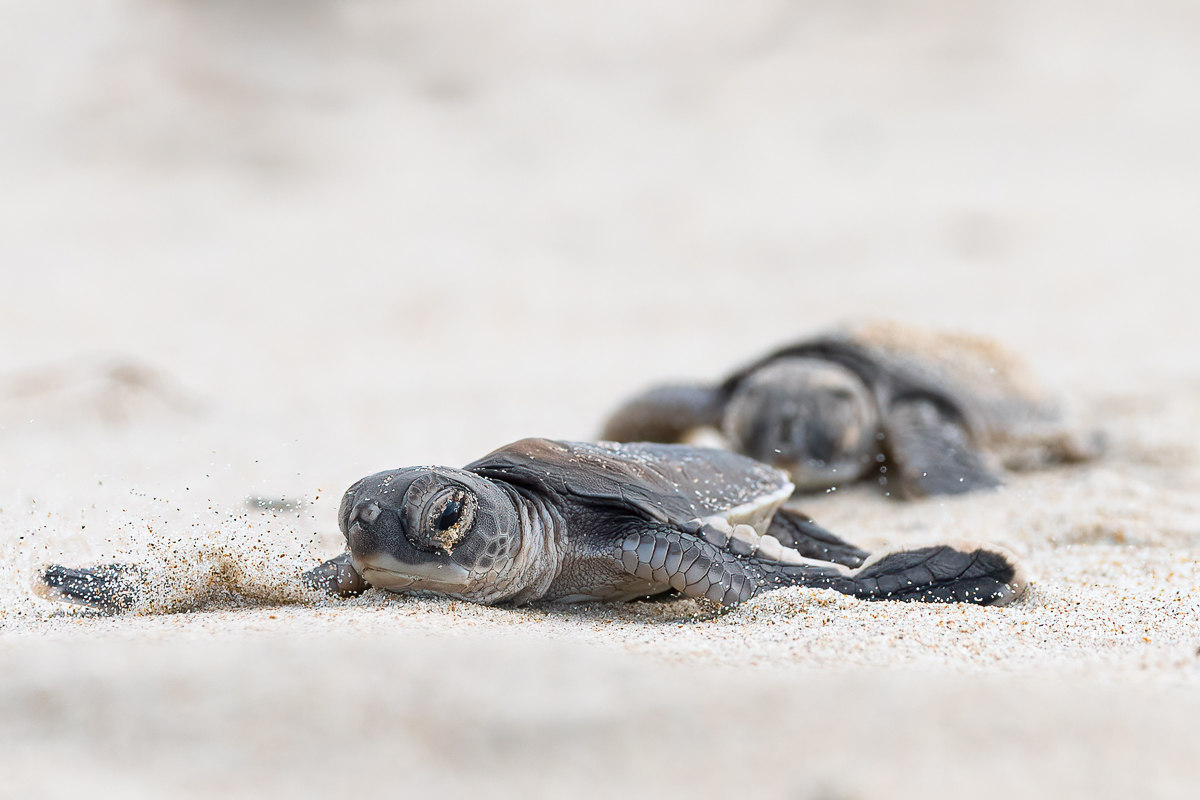
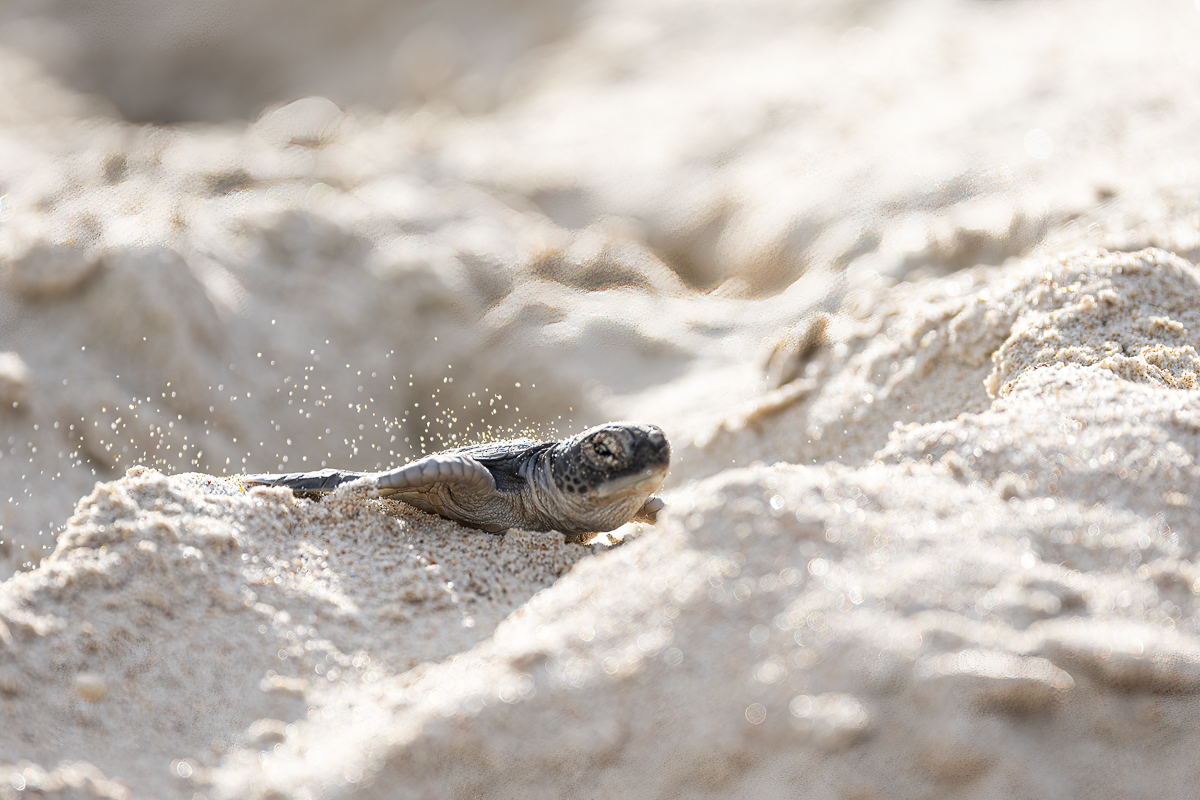
When the hatchlings emerge, usually at night, they instinctively orient themselves toward the brightest natural light source—the moon reflecting off the ocean. Watching hundreds of hatchlings erupt from the sand and make their frantic journey to the sea is a powerful experience. Barely larger than the palm of a hand, they must survive a dangerous dash across the beach before reaching the surf.
The “Lost Years” at Sea
Once in the ocean, hatchlings enter a period known as a “swimming frenzy,” during which they swim continuously to reach offshore currents. They will spend the next five to ten years in the open ocean, a phase once referred to as the “lost years” because scientists knew little about it. Advances in tracking technology have since revealed that juvenile turtles actively use ocean currents to travel between feeding areas. During this time, they feed on plankton, jellyfish, and fish eggs, making them particularly vulnerable to plastic pollution that resembles their natural prey.
Returning to the Coast—and the Role of People
After several years at sea, juvenile turtles move into shallower coastal waters such as bays and lagoons. Here, Green Sea Turtles shift to a fully herbivorous diet of seagrass and algae. Many years later, once they reach maturity, the cycle begins again as they migrate back to their natal beaches to breed.
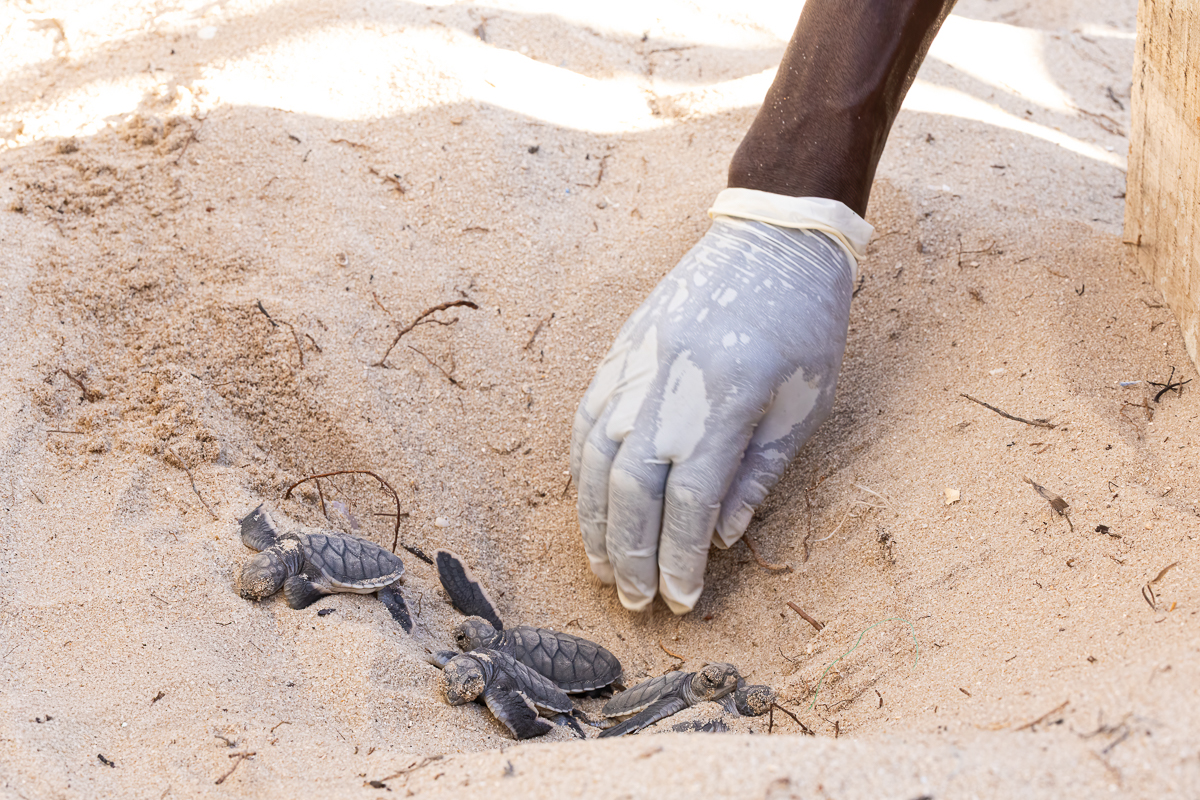
At every stage of their lives, sea turtles face pressure from human activity—habitat loss, pollution, vessel strikes, and accidental capture in fishing gear. Community-based conservation efforts like those led by Sea Sense are therefore essential. By empowering local people to protect the beaches and waters they depend on, Sea Sense is helping ensure that these ancient navigators can continue returning home for generations to come.
A really interesting and informative article. Thank you, I’ve learnt a lot about these intriguing sea creatures. It is good to hear about the important work being done by Sea Sense.
Thank you for taking the time to leave a comment Edwina, it makes smile to know you found the article interesting and insightful.
You are doing à fantastic job ànð your level of service and enthusiasm is quite inspiring to the public .
Through professional photographs and stories, you’re making à great contributions to raising awareness ànd visibility . As Seà sense we àre very grateful to your collaboration ànd call upon others to support this work.
Thank you for your kind words Gosbert, it’s a privilege to support the amazing work of Sea Sense and I am looking forward to further and wider collaboration with the team in the coming months.